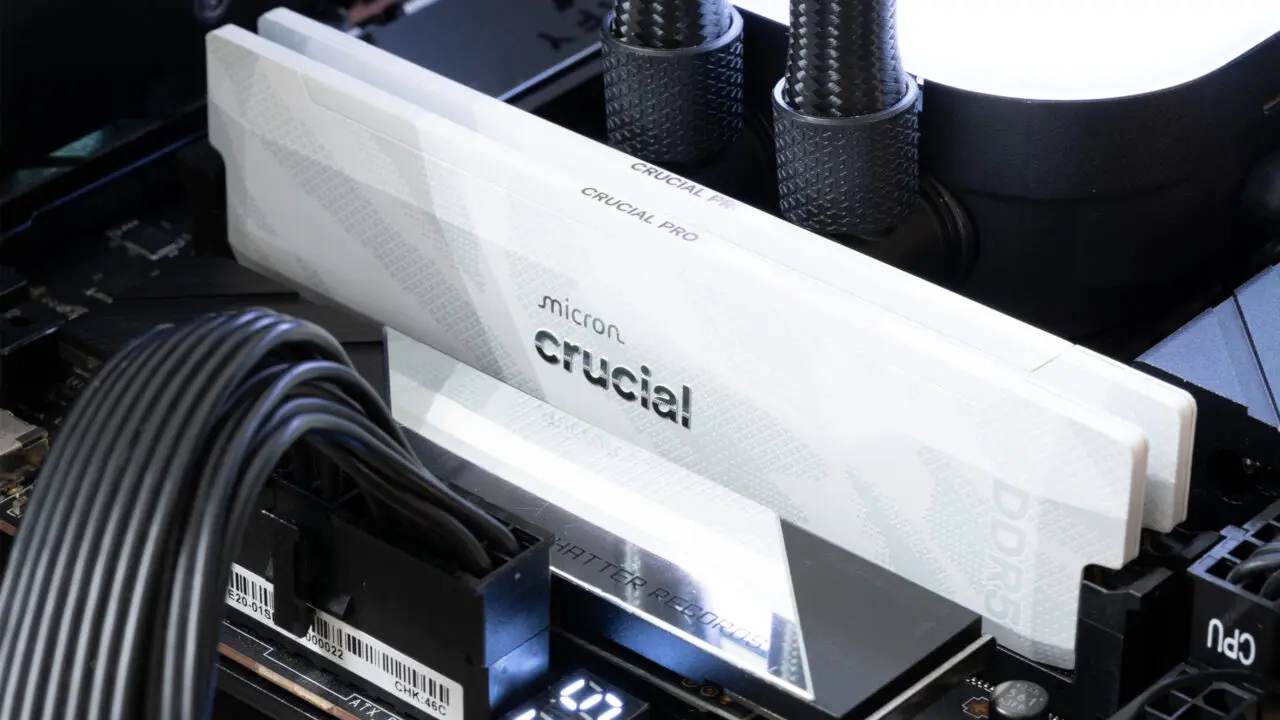
United Gaming – In recent months, RAM Scalpers Push prices have climbed at a pace that feels both sudden and alarming. What was once a predictable component upgrade has turned into a source of anxiety for PC builders and everyday users. This surge did not appear out of nowhere. Instead, it grew alongside the rapid expansion of artificial intelligence infrastructure, where massive memory capacity has become essential. As major tech firms rushed to secure large volumes of RAM from distributors, availability tightened almost overnight. Consequently, regular consumers began to notice familiar products creeping higher in price. At first, many assumed the situation would stabilize. However, as weeks passed, the increases continued. This environment created perfect conditions for scalpers to step in. With demand rising and supply constrained, opportunistic sellers quickly realized they could exploit the gap. As a result, frustration spread across online communities, where disbelief turned into anger.
Scalpers Exploit Scarcity Through Online Marketplaces
As supply pressure intensified, RAM scalpers wasted no time capitalizing on the chaos. Online marketplaces became their primary stage. Products that once sat comfortably at reasonable prices suddenly appeared with jaw-dropping tags. A striking example is the DDR5-6000 32GB kit that previously sold for around $118. Within months, listings surfaced at more than $400, shocking long-time buyers. Even more extreme cases followed. On auction platforms, the same memory kits appeared at prices exceeding $1,000, pushing them far beyond any rational value. Meanwhile, higher-capacity kits faced similar treatment. Versions that launched at under $500 soon approached four-digit retail prices, only to be relisted by scalpers for more than $2,600. These figures did more than surprise buyers. They symbolized how quickly speculation can distort a market when oversight is limited and desperation runs high.
“Read More : BBVA Embeds AI at the Core of Banking to Redefine Risk and Service“
AI Industry Demand Becomes the Core Catalyst
Behind the scenes, the AI boom has played a central role in reshaping the RAM market. Training advanced models requires enormous memory resources, and corporations have responded by securing supplies aggressively. While this demand drives innovation, it also strains existing manufacturing pipelines. Memory producers cannot instantly scale output, which leaves fewer units available for consumer channels. As availability shrinks, prices naturally rise. However, scalpers magnify the problem by artificially inflating listings far beyond justified levels. This creates a feedback loop. Seeing inflated prices, buyers panic and rush to secure components before costs rise further. That urgency benefits scalpers while worsening scarcity. Over time, the original purpose of RAM as an accessible upgrade fades. Instead, it becomes a speculative asset, traded for profit rather than utility. In this climate, everyday consumers feel pushed aside by forces far larger than themselves.
Major Manufacturers and Small Businesses Feel the Impact
The ripple effects of RAM price manipulation extend far beyond individual buyers. Large system integrators and custom PC builders have already adjusted pricing models to absorb higher memory costs. Companies like boutique PC assemblers now charge more, not by choice, but by necessity. Even global manufacturers have begun revisiting pricing strategies as component costs rise. At the same time, small businesses face even harsher consequences. Independent repair shops and local PC builders often lack bulk purchasing power. As a result, they must either pass costs onto customers or accept shrinking profit margins. Meanwhile, some corporations reportedly secured large RAM stockpiles early, allowing them to delay price hikes temporarily. This imbalance creates an uneven playing field. While large firms weather the storm, smaller players struggle to survive, highlighting how scalping amplifies inequality across the technology ecosystem.
“Read More : From Experiments to Action: How Autonomous AI Will Redefine 2026“
Consumer Trust Erodes Amid Market Manipulation
As RAM prices spiral, consumer trust continues to erode. Many buyers now approach online listings with skepticism, unsure whether prices reflect genuine value or pure exploitation. Forums and social media platforms overflow with stories of canceled upgrades and delayed projects. For gamers, creators, and professionals alike, RAM has shifted from a simple purchase into a calculated risk. This erosion of confidence harms the broader tech market. When buyers hesitate, sales slow, innovation stalls, and enthusiasm fades. Moreover, repeated exposure to inflated pricing normalizes extreme costs over time. What once felt outrageous begins to appear inevitable. Scalpers benefit from this psychological shift, as resistance weakens. However, the long-term damage to consumer relationships may prove far more costly than any short-term profits gained through manipulation.
Hope for Stabilization as Awareness Grows
Despite the current turmoil, there are signs that awareness may eventually restore balance. Increased scrutiny from consumers, combined with potential supply recovery, could reduce scalper influence. As manufacturers expand capacity and AI demand stabilizes, availability should improve. Additionally, platforms may face pressure to regulate excessive pricing more effectively. Education also plays a role. Informed buyers who resist panic purchasing weaken scalpers’ leverage. While the road ahead remains uncertain, history suggests that extreme market distortions rarely last forever. For now, patience becomes an act of resistance. By waiting, sharing information, and supporting fair retailers, consumers help push the market toward reason again. In time, RAM may return to what it should be: a tool for progress, not a symbol of unchecked exploitation.
About the Author