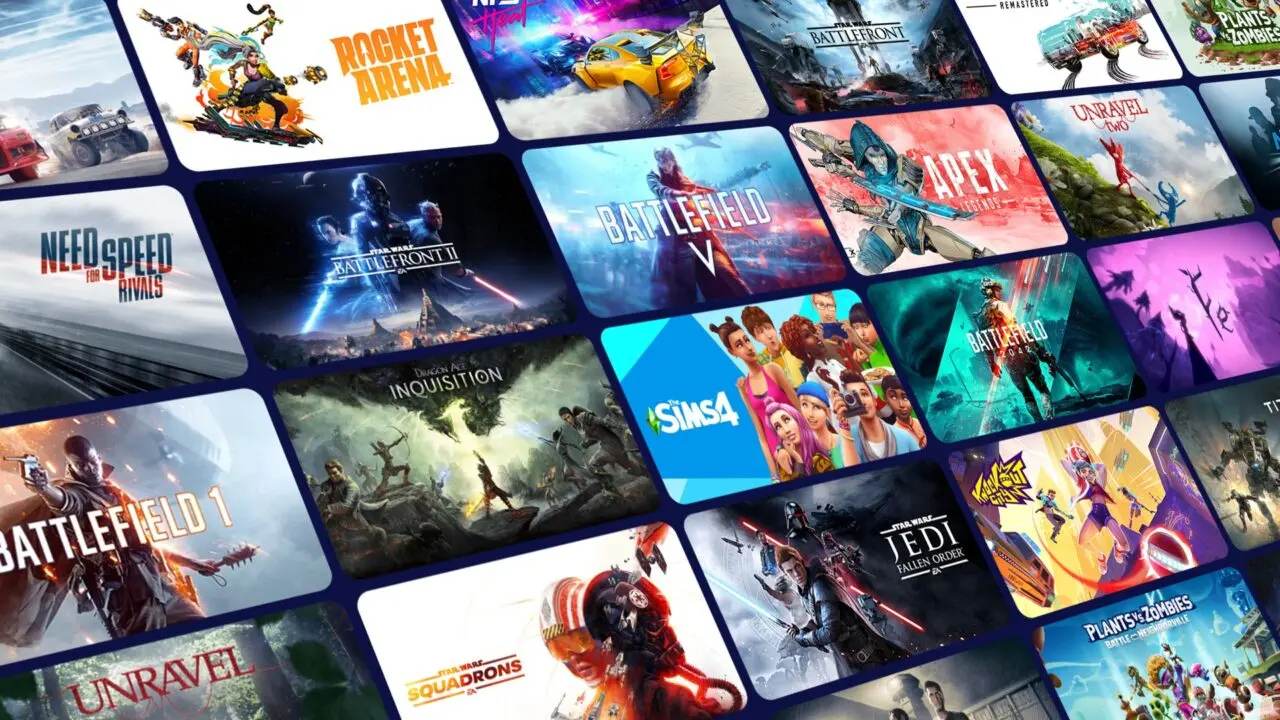
United Gaming – Electronic Arts is entering one of the biggest transitions in its history. Reports say Saudi Arabia’s Public Investment Fund (PIF) may soon control more than 93 percent of the company. EA is currently moving toward becoming a private company, with the process expected to finish in 2027. This change has sparked major discussions among players, investors, and analysts. Many wonder how a single investor could hold such a dominant share of a global gaming giant. EA owns major franchises like The Sims, Battlefield, and EA Sports FC, so any ownership shift matters. As the deal moves forward, fans hope the company’s creative spirit remains strong. The gaming community now watches every update closely because this shift could influence the industry for years.
Where the Reports First Came From
The conversation began when the Wall Street Journal published new data about EA’s $55 billion buyout. The report revealed that three investors joined the acquisition: Affinity Partners, Silver Lake, and Saudi Arabia’s PIF. However, the numbers showed one investor contributing far more than the others. That investor was PIF. The fund’s contribution suggested it would control around 93.4 percent of EA once the deal closes. This news spread quickly, creating debates online about the future direction of the company. While large investments happen often in gaming, the size of this one surprised many people. Fans started asking how this might affect EA’s decisions, especially as the company leaves the stock market and becomes fully private.
“Read More : AWS Trainium and Decart: A New Era of Real-Time AI Video Generation“
How the Ownership Is Divided
The investor breakdown shows a very uneven split. PIF holds the largest share at about 93.4 percent. Silver Lake follows with 5.5 percent, while Affinity Partners holds only 1.1 percent. This gap highlights how much influence PIF will have once EA completes its transition. PIF has invested in gaming for years, including companies like Nintendo and Take-Two. Still, this level of ownership goes far beyond anything it has done before. Because EA will be a private company, the majority owner could have even more control than in a public structure. This is why many analysts believe the buyout could reshape EA’s long-term strategy. Fans hope it leads to growth, not restrictions.
Why PIF’s Growing Influence Draws Attention
PIF’s influence did not appear overnight. The fund already owned more than 10 percent of EA back in 2023. Over two years, that number grew dramatically through the buyout process. This rise aligns with Saudi Arabia’s Vision 2030 strategy, which aims to expand the country’s role in entertainment, gaming, and technology. The massive increase in ownership shows how serious the fund is about entering the global gaming market. Many see this step as an attempt to build a stronger international presence. EA’s shift to a private company also gives investors a more direct path to shape decisions. This new structure may influence how the company funds new games, expands studios, or manages its top franchises.
“Read More : Micron’s Turning Point: How AI Pushed a Tech Giant to Leave the Consumer Market“
Impact on EA’s Employees and Studios
EA has tried to reassure employees during this transition. The company stated that becoming private will not trigger mass layoffs. This message matters, especially after many gaming studios experienced large cuts over the last few years. EA says a private structure will help teams work with fewer pressures from public shareholders. Developers behind games like Battlefield 6 and The Sims may benefit from more time, more flexibility, and fewer financial targets. Even with this promise, workers still wonder how much influence the majority investor will have. Some fear a stronger push for profit-driven projects. Others believe the investment could bring more stability. For now, EA insists that its focus remains on creativity and long-term planning.
What This Means for the Future of Gaming
The possibility of PIF controlling over 93 percent of EA highlights a major trend in the gaming world. Wealth funds, tech giants, and global investors are showing increasing interest in the entertainment industry. Saudi Arabia is one of the most active players in this shift, with investments in esports, game studios, and streaming technology. EA’s buyout could open the door for more large-scale deals in the future. For gamers, the biggest question is how this new ownership will affect the titles they love. Some hope new funding leads to better games and fewer microtransactions. Others worry that the company may lose its identity. Whatever the outcome, this deal marks a turning point for both EA and the broader gaming landscape.
Public Reaction and What Comes Next
Reactions to the news have been mixed. Some fans welcome the possibility of new investments and fresh ideas. They believe EA could revive older franchises or improve live-service games with stronger financial backing. Meanwhile, others express concern about creative control and long-term independence. Analysts say this transition may influence not only EA but also how other gaming companies plan their future partnerships. With the buyout process still underway, players continue to watch closely. The outcome will shape how EA operates in 2026 and beyond. One thing is certain: the company is heading toward a new era, and its next steps will define its future in the global gaming industry.
About the Author