United Gaming – Few online games have generated as much discussion as Red Dead Online. Released as the multiplayer companion to Rockstar Games’ critically acclaimed Red Dead Redemption 2, the game arrived with enormous expectations. Players imagined a living Wild West that would evolve for years through new content, events, and adventures. However, after support for the game slowed significantly, many fans began to view the project as a missed opportunity. The frustration reached a peak in 2022 when players organized a symbolic funeral for the game to protest its lack of major updates. Even today, debates continue about whether Red Dead Online achieved its full potential. Yet according to Take-Two Interactive CEO Strauss Zelnick, the game should not be considered a failure. His recent comments have reignited a conversation that remains deeply emotional for many longtime fans.
Strauss Zelnick Defends the Success of Red Dead Online
During a recent interview, Strauss Zelnick made it clear that he strongly disagrees with the idea that Red Dead Online failed. When asked whether the game represented a missed opportunity compared with GTA Online, he quickly rejected that narrative. Zelnick pointed to the overall success of the Red Dead franchise, which has sold more than 85 million copies worldwide. From his perspective, those numbers demonstrate that the series remains one of the gaming industry’s biggest achievements. He also described Red Dead Online as a successful and enduring online experience. For company executives, success is often measured through sales, engagement, and brand value. While fans may focus on content updates and community growth, publishers frequently evaluate performance using broader business metrics. This difference helps explain why opinions on the game’s legacy remain divided.
Read More : Intel Enters the Handheld Gaming Race with Arc G3 and Arc G3 Extreme Processors
Players Remember a World Full of Potential
Although many fans appreciate the quality of Red Dead Online, their disappointment often comes from unrealized possibilities rather than poor gameplay. The game’s massive open world offered incredible opportunities for expansion. Players imagined new frontier businesses, deeper role-playing systems, large-scale heists, and evolving storylines. Instead, updates gradually became less frequent. As a result, many members of the community felt that the game stopped growing long before reaching its full potential. The symbolic funeral organized by players became one of the most memorable protests in modern gaming. It reflected sadness more than anger. Fans were not rejecting the game itself. Rather, they were expressing frustration over what they believed could have become one of the most immersive online experiences ever created. That emotional connection continues to shape discussions today.
Living Under the Shadow of GTA Online
Any conversation about Red Dead Online inevitably leads to comparisons with GTA Online. Rockstar’s flagship multiplayer title has enjoyed more than a decade of continuous support and remains one of the most successful live-service games ever made. New missions, businesses, vehicles, properties, and story updates continue to arrive regularly. Meanwhile, Red Dead Online experienced a very different journey. Although it launched in late 2018, major support slowed after only a few years. This contrast created frustration among players who expected similar treatment. Many fans believed that both games deserved long-term investment. However, the enormous success of GTA Online made comparisons difficult to avoid. Every new update for GTA reminded players of what Red Dead Online was no longer receiving. Consequently, perceptions of neglect became increasingly common throughout the community.
Rockstar Followed the Numbers
From a business perspective, Rockstar’s decisions become easier to understand. Reports have suggested that GTA Online continues generating significant daily revenue through microtransactions and Shark Card sales. Such financial success naturally influences development priorities. Maintaining a live-service game requires large teams, ongoing infrastructure support, and substantial investment. Companies typically allocate resources where they expect the strongest returns. In this case, GTA Online remained one of the most profitable products in the gaming industry. As a result, Rockstar concentrated much of its attention on that ecosystem. While many players disliked this strategy, it reflects a reality faced by nearly every major game publisher. Financial performance often determines which projects receive continued support. Understanding that logic does not erase disappointment, but it helps explain the decisions behind the scenes.
Read More :Google Search Becomes More Like ChatGPT as AI Answers Take Center Stage
Red Dead Online Built a Loyal Community
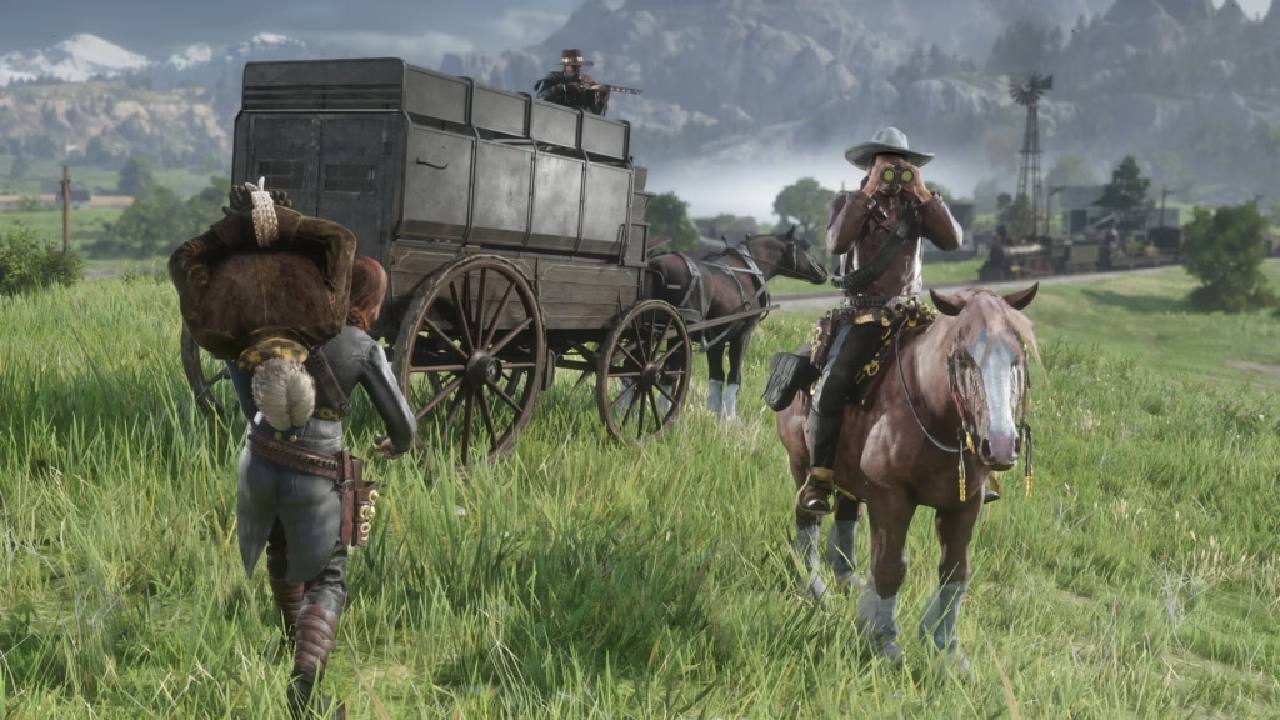
Despite receiving fewer updates, Red Dead Online succeeded in creating a dedicated player community. Many gamers were drawn to its slower pace, immersive atmosphere, and unique Western setting. Unlike many modern online games focused on fast action and constant competition, Red Dead Online encouraged exploration, storytelling, and social interaction. Players formed posses, built businesses, hunted wildlife, and created memorable adventures together. This distinctive identity helped the game stand apart from competitors. Even years after launch, many fans continue to revisit the world because few online experiences offer a similar sense of immersion. The loyalty of its community demonstrates that success cannot always be measured solely through update schedules or revenue figures. Sometimes, the lasting emotional impact of a game becomes its greatest achievement.
The Debate Reflects a Changing Gaming Industry
The ongoing discussion surrounding Red Dead Online reflects broader changes within the gaming industry. Today, players often expect online games to receive continuous updates for many years. When support slows or ends, communities can interpret that decision as abandonment. At the same time, publishers must balance creative ambitions with financial realities. This tension creates differing definitions of success. For executives, strong sales and player engagement may indicate a successful project. For players, long-term support and community growth may matter just as much. Both perspectives are valid, which is why debates about Red Dead Online remain so passionate. The game succeeded commercially and earned widespread praise for its world design. Yet many fans still believe its story could have been even greater with continued investment and support.
About the Author