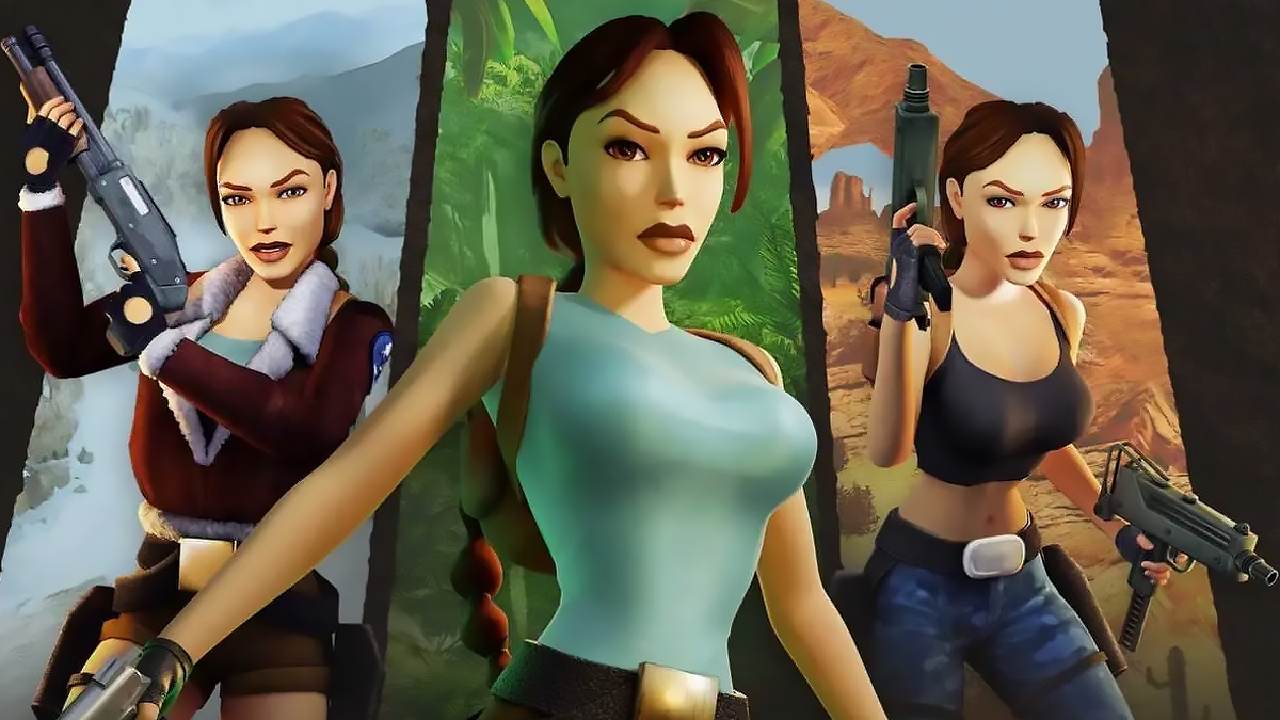
United Gaming – For years, fans have waited patiently to see where Crystal Dynamics would steer the Tomb Raider franchise next. That anticipation finally peaked at The Game Awards 2025, where the studio unveiled Tomb Raider: Catalyst, a brand-new title promising fresh adventures for Lara Croft. Alongside that reveal came another announcement that stirred emotions: Tomb Raider: Legacy of Atlantis, a remake of the very first game. For longtime fans, it felt like reopening a cherished time capsule. Nostalgia rushed in, mixed with curiosity and skepticism. This dual announcement placed the franchise at an interesting crossroads, balancing reverence for its roots with the pressure to innovate. While many players welcomed the chance to relive Lara’s origins, others quietly wondered whether the series was looking backward too often instead of forging ahead into uncharted territory.
Paul Douglas and a Subtle but Sharp Reaction
Paul Douglas, one of the original co-creators of Tomb Raider, didn’t stay silent. Through a brief but pointed post on Bluesky, he shared an image of a dinosaur paired with the caption, “She’s back, apparently.” That single word apparently carried weight. It felt ironic, even weary, hinting at his complicated feelings toward yet another remake. Douglas didn’t attack the project directly, but the tone suggested a familiar frustration. After all, he helped build Lara Croft under intense pressure during the 1990s, when game development lacked today’s luxuries. Seeing that work repeatedly revisited, repackaged, and polished again appears to stir mixed emotions. His reaction resonated with many creators who wonder when legacy turns into repetition rather than celebration.
“Read More : Walmart’s AI Transformation: Redefining Retail Beyond the Discount Giant“
Remakes, Remasters, and Creative Fatigue
Douglas later clarified his stance with more nuance. He explained that he feels more excited by the idea of discovering “new lost worlds” than revisiting old ones through endless remakes and remasters. From his perspective, constantly reworking past creations risks overshadowing the creative spirit that once drove the franchise forward. That sentiment reflects a broader industry debate: nostalgia sells, but innovation defines longevity. Douglas’ comments weren’t rooted in bitterness, but in creative fatigue an understandable response from someone who poured immense effort into the original game. Still, he acknowledged one timeless truth with a smile: dinosaurs, at least, never lose their cool factor. That small concession added warmth to his critique and reminded fans that his bond with Tomb Raider remains deeply personal.
Community Response and Renewed Debate
Unsurprisingly, Douglas’ comments sparked discussion across gaming communities. Some fans empathized, agreeing that the industry leans too heavily on nostalgia. Others argued that remakes serve a new generation that never experienced the original Tomb Raider firsthand. Legacy of Atlantis quickly drew positive reactions for its visual upgrades and modernized mechanics, suggesting strong commercial appeal. Yet Douglas’ perspective introduced an important counterpoint: creative legacy should inspire new ideas, not replace them. His remarks didn’t dampen enthusiasm, but they reframed the conversation. Instead of asking whether the remake looks good, players began asking whether Tomb Raider needs another origin retelling at all. That tension between legacy and innovation now sits at the heart of the franchise’s future.
“Read More: BBVA Embeds AI at the Core of Banking to Redefine Risk and Service“
Catalyst Brings Balance to the Conversation
Douglas’ tone shifted noticeably after the announcement of Tomb Raider: Catalyst. In a separate Bluesky post, he described the situation as “the best of both worlds.” That phrase revealed acceptance, even optimism. The presence of a completely new game seemed to soften his skepticism toward Legacy of Atlantis. For Douglas, the problem wasn’t honoring the past it was doing so at the expense of progress. Catalyst reassured him that Lara Croft would continue to evolve, exploring new stories rather than remaining frozen in her origin myth. This balance between remake and reinvention appears to be exactly what he hoped for, and it helped him reconcile with the remake’s existence.
A Franchise Shaped by Memory and Momentum
Tomb Raider now stands as a powerful example of how legacy franchises navigate time. Legacy of Atlantis taps into memory, offering familiarity and comfort, while Catalyst represents momentum and risk. Paul Douglas’ candid response humanizes this transition. It reminds fans that behind iconic characters are creators who still care deeply about how those characters grow. His voice adds emotional depth to what could have been just another remake announcement. In the end, Tomb Raider’s future seems strongest when it honors its past without becoming trapped by it allowing Lara Croft to keep moving forward, one lost world at a time.
About the Author