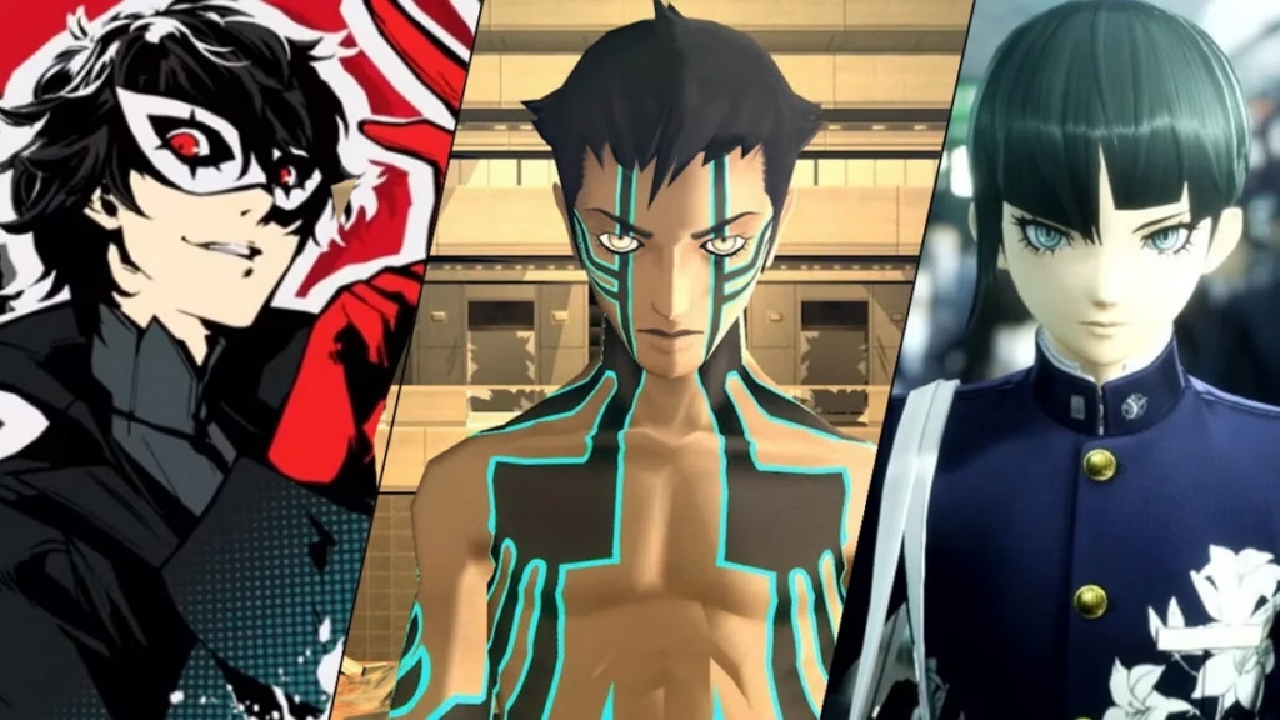
United Gaming – Shin Megami Tensei has long been known for doing something very different from most traditional JRPGs. Instead of forcing players to defeat every monster they encounter, the series introduced a unique negotiation system that allows direct interaction with demons and creatures. Players can talk, bargain, recruit allies, or even receive items and money during conversations. This feature eventually became one of the most iconic mechanics in the history of Japanese role-playing games. For many fans, the negotiation system made battles feel more alive and unpredictable. However, few players realized that the original inspiration behind this famous mechanic actually came from frustration during a session of Dungeons & Dragons. According to former Atlus developer Kazunari Suzuki, the idea began because he disliked how goblins were treated inside classic tabletop adventures.
Kazunari Suzuki Shared the Origin of the System
During an interview with Japanese media outlet Encount, former Atlus developer Kazunari Suzuki explained the surprising story behind the creation of the negotiation system. Suzuki played an important role in developing early entries in the Megami Tensei franchise. He also helped create other important mechanics such as Fusion. While discussing the origins of these systems, Suzuki revealed that his frustration during Dungeons & Dragons sessions heavily influenced his creative ideas. According to him, players in DnD were expected to attack and kill goblins immediately without trying to communicate. That approach felt strange and emotionally disconnected to him. He believed goblins were intelligent creatures because they had their own language, culture, and communities. Because of that belief, Suzuki started questioning why games rarely allowed players to negotiate peacefully with monsters instead of simply treating them as enemies.
Read More : OpenAI Hit by Hacker Attack as ChatGPT Users Are Urged to Update Their Apps
Goblins in DnD Became the Source of Frustration
Kazunari Suzuki explained that his frustration grew during several Dungeons & Dragons sessions involving goblins inside dungeon encounters. Whenever players met goblins, the only expected solution was combat. According to Suzuki, there were no meaningful opportunities to communicate or build interaction with them. He even asked the Dungeon Master whether players could speak with goblins or use negotiation mechanics during encounters. Unfortunately, the answer disappointed him because such interactions were not really part of the gameplay experience at the time. For Suzuki, this felt unrealistic and emotionally limiting. He believed intelligent monsters should have motivations, emotions, and survival instincts just like humans. Instead of existing only as enemies, they should also have personalities and choices. This simple frustration eventually sparked a creative idea that would later influence one of gaming’s most famous RPG mechanics.
The Negotiation System Gave Demons Personality
When Digital Devil Story: Megami Tensei introduced its negotiation system, the mechanic immediately made the game feel different from traditional RPGs. Suddenly, demons and monsters were no longer just targets to defeat. Instead, they became characters with emotions, moods, and unpredictable reactions. Some demons demanded money while others requested items or answered questions based on personality traits. In some cases, negotiations even failed completely despite careful player choices. This unpredictability created emotional tension and deeper immersion during gameplay. Players no longer viewed monsters as mindless enemies because conversations made them feel strangely alive. Over time, this mechanic became one of the defining identities of the Megami Tensei franchise. Many RPG fans still praise the system today because it introduced a more human approach to conflict and interaction inside fantasy worlds filled with supernatural creatures.
Read More :Meta Launches Instants, a New App for One-Time Photo Sharing
Fusion Was Inspired by Devilman Manga
Although the negotiation mechanic became revolutionary, Kazunari Suzuki admitted he still felt something was missing from the early gameplay experience. Because of that feeling, he later developed another legendary feature known as Fusion. This system allows players to combine demons together and create stronger entities with new abilities. According to Suzuki, the inspiration for Fusion came from Devilman, a manga series he deeply loved during his school years. The dark themes and supernatural transformations in Devilman strongly influenced his imagination while designing Megami Tensei. As a result, Fusion and Negotiation eventually worked together to create one of the most unique gameplay systems in RPG history. Players could now recruit demons through conversation and later merge them into more powerful forms. This combination gave the series a level of strategic depth rarely seen in role-playing games during that era.
Persona and Other Atlus Games Inherited the Idea
The impact of the negotiation and Fusion systems did not stop with Shin Megami Tensei alone. Over the years, Atlus continued refining these mechanics across multiple franchises, including Persona 5 and Metaphor: ReFantazio. Many players who enjoy modern Atlus games may not realize these systems originated from a developer questioning how goblins were treated during tabletop adventures decades ago. Even today, negotiation mechanics remain emotionally memorable because every interaction feels personal and unpredictable. Some demons become friendly while others react aggressively depending on the player’s choices. This design philosophy helped Atlus games stand out in the crowded JRPG genre. By allowing communication instead of endless combat, these games introduced deeper emotional layers into monster encounters and fantasy storytelling.
A Small Frustration Created an Iconic Gaming Feature
The story behind the Megami Tensei negotiation system proves that even small frustrations can inspire creative breakthroughs. Kazunari Suzuki simply questioned why goblins in Dungeons & Dragons could not be treated like intelligent beings. However, that simple thought eventually evolved into one of the most influential systems in Japanese RPG history. Today, millions of players recognize negotiation and Fusion as defining elements of Atlus games. These mechanics changed how players think about monsters, conversations, and conflict inside fantasy worlds. Instead of reducing every encounter to violence, Megami Tensei encouraged curiosity and communication. That emotional difference helped the series develop a loyal fanbase across generations. In the end, the negotiation system became much more than a gameplay mechanic because it reflected a creative philosophy built around empathy, imagination, and the idea that even monsters deserve a voice.
About the Author