United Gaming – One of the first lessons every Limbus Company player learns is that having powerful units alone does not guarantee victory. The game rewards strategy, synergy, and careful planning far more than simple brute force. As a Manager guiding Dante and the twelve Sinners, you constantly face battles that demand smart decisions. Many new players focus on collecting rare Identities and strong characters. However, they often struggle because their teams lack direction. A well-structured squad can outperform a collection of individually strong units that fail to work together. Therefore, understanding how team composition functions becomes a crucial step toward success. Whether you are progressing through the Main Story, exploring Mirror Dungeon, or challenging Refraction Railway, the right combination of units can completely change your experience. Building an effective team is not just a strategy; it is the foundation of mastering Limbus Company.
Understanding Keywords Is the First Step to Success
Before choosing any unit, players should familiarize themselves with the game’s keyword system. Keywords act as the language that defines how characters interact during combat. These mechanics include status effects such as Bleed, Burn, Charge, Poise, Rupture, Sinking, and Tremor. In addition, players must consider attack types like Slash, Pierce, and Blunt, along with Affinity categories such as Wrath, Lust, Sloth, Gluttony, Gloom, Pride, and Envy. At first glance, these systems may seem overwhelming. However, they become easier to understand through regular gameplay. More importantly, keywords help players identify which units naturally complement one another. Instead of randomly assembling a team, you can create a clear strategy based on shared mechanics. Consequently, understanding keywords allows you to maximize damage output, improve survivability, and unlock stronger synergies that make difficult battles significantly easier.
Read More : Snapdragon Reality Elite Arrives, Bringing Powerful On-Device AI to Smart Glasses and XR Headsets
Learning Unit Skills Unlocks Hidden Potential
Every Identity in Limbus Company possesses unique active and passive skills that contribute to overall team performance. While many players focus only on damage numbers, experienced Managers know that skill interactions often determine the outcome of challenging encounters. Active skills frequently apply status effects, buffs, or debuffs that can support other teammates. Meanwhile, passive skills provide long-term benefits that activate under specific conditions. For example, certain characters become significantly stronger when specific Affinity combinations are triggered during combat. Therefore, studying skill descriptions is essential before finalizing a team composition. Players who invest time in understanding these mechanics often discover powerful combinations that are not immediately obvious. Furthermore, skill synergy can transform average units into valuable contributors. Rather than evaluating characters individually, successful players examine how each skill strengthens the overall team strategy and supports long-term battle objectives.
Choosing the Right Units for Your Strategy
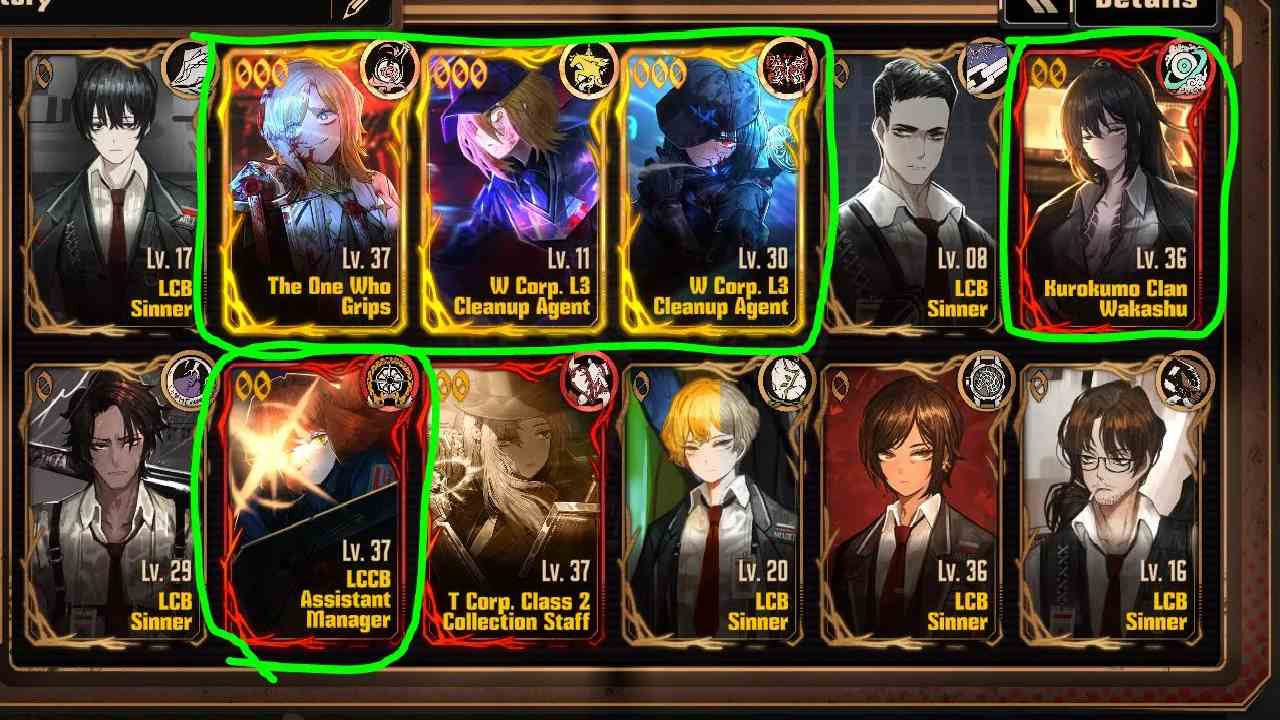
After understanding keywords and skills, the next step is selecting units that fit your intended playstyle. This decision should always be based on synergy rather than popularity. Some players prefer aggressive Bleed-focused teams, while others enjoy defensive Tremor or Sinking compositions. For instance, units such as Yi Sang, Faust, Don Quixote, Ryoshu, Heathcliff, Ishmael, Rodion, Sinclair, Outis, and Gregor can form highly effective combinations depending on the chosen strategy. However, there is no universal formula that works for every situation. Different game modes present unique challenges that may require adjustments. Consequently, flexibility becomes a valuable skill. Strong Managers continuously evaluate their roster and adapt to changing circumstances. Instead of blindly following tier lists, they focus on creating balanced teams where every member contributes to a shared objective. This approach leads to greater consistency and better long-term results.
Read More :Smartest AI Models 2026: AI IQ Scores Now Surpass the Average Human
Building Around a Specific Team Keyword
Once your roster begins to take shape, it is time to establish a central team identity. This is where specific keyword combinations become extremely important. Rather than spreading resources across unrelated mechanics, successful players concentrate on a few interconnected systems. Popular examples include Bleed-Rupture, Burn-Poise, Charge-Rupture, Sinking-Tremor, or Sinking-Poise compositions. Each combination offers unique strengths and tactical advantages. For example, Sinking-based teams excel at reducing enemy Sanity, while Bleed teams focus on continuous damage over time. By committing to a specific keyword strategy, players can create stronger synergy between units, skills, and EGO abilities. Furthermore, specialized teams often perform better in advanced content because every member contributes toward a common goal. As a result, battles become more efficient, and overall damage output increases significantly. Focused team building often delivers better outcomes than trying to cover every mechanic simultaneously.
Testing Your Team in Real Combat Scenarios
Even the most carefully planned team requires practical testing. Theory alone cannot reveal every strength and weakness. Therefore, players should regularly challenge their squads in Mirror Dungeon, Luxcavation, and other combat-focused activities. These encounters provide valuable opportunities to observe how units interact under pressure. During testing, pay close attention to Affinity generation, passive activation, and status effect consistency. Additionally, monitor whether your team can maintain strong Clash Power throughout longer battles. One particularly important mechanic is Absolute Resonance, which can dramatically improve combat performance when activated consistently. Through repeated testing, players often identify weaknesses that were not apparent during planning. Perhaps a unit generates insufficient Affinity, or a skill rotation feels inefficient. Fortunately, these issues can be corrected through experimentation. Continuous refinement is what separates average Managers from truly exceptional ones in Limbus Company.
Becoming the Manager Every Team Needs
Mastering team building in Limbus Company is a journey that combines knowledge, patience, and creativity. Every successful Manager develops a deeper understanding of keywords, skills, unit selection, and strategic synergy over time. While powerful Identities certainly help, true success comes from knowing how to make every character work together effectively. Moreover, the game rewards players who experiment and adapt rather than simply copying popular builds. Each battle presents an opportunity to learn something new about your roster and its potential. As your understanding grows, previously difficult content becomes more manageable and enjoyable. Most importantly, team building transforms from a challenge into one of the most rewarding aspects of the game. With careful planning and consistent practice, any player can develop squads capable of overcoming the toughest Abnormalities and becoming a respected Manager throughout the world of Limbus Company.
About the Author