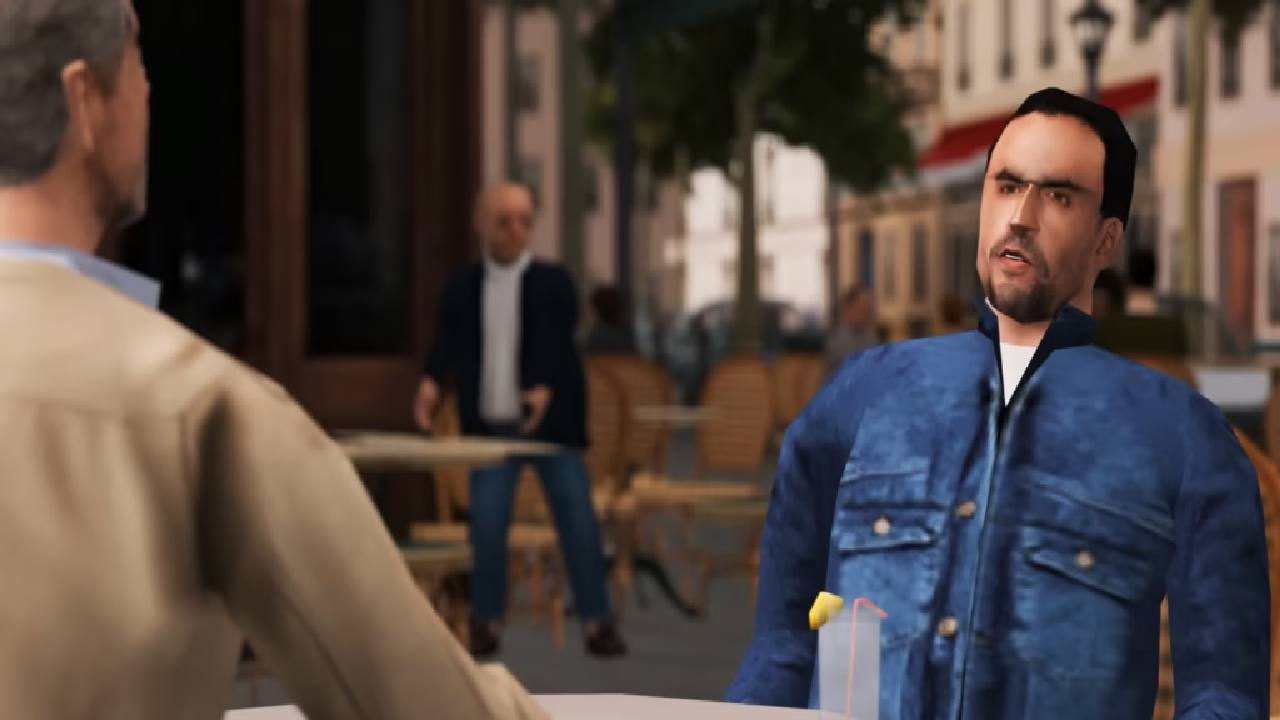
United Gaming – In an entertainment industry obsessed with ultra-realistic graphics and cutting-edge visual effects, French filmmaker Quentin Dupieux has chosen a completely different path. His latest animated film, Le Vertige, embraces the rough, low-polygon visual style that defined many classic PlayStation 1 games from the late 1990s and early 2000s. At first glance, the film may look like a nostalgic fan project or an experimental indie production. However, behind its intentionally outdated appearance lies a creative vision that challenges modern expectations of animation. Surprisingly, the film has already attracted attention on the international stage after being screened at the 2026 Cannes Film Festival. Its unique presentation proves that storytelling and artistic identity can still stand out, even without the polished visuals audiences have become accustomed to seeing in contemporary animated films.
A Visual Style That Feels Like a Forgotten Video Game
One of the first things viewers notice about Le Vertige is its unmistakable resemblance to early PlayStation-era games. The characters move with stiff animations, the environments appear simple, and the visual details often seem unfinished. Yet these elements are not technical limitations. Instead, they are deliberate creative choices. Quentin Dupieux wanted to recreate the feeling of exploring a digital world from gaming’s early 3D era. For many viewers, the visuals trigger memories of classic adventure and horror games that relied more on atmosphere than graphical perfection. As nostalgia continues to influence modern entertainment, Le Vertige taps into a growing appreciation for retro aesthetics. Rather than hiding its imperfections, the film proudly embraces them, transforming what some might consider flaws into a defining artistic strength.
Read More : Anthropic Unveils Claude Opus 4.8, Bringing a Future Where Hundreds of AI Agents Work Together
Cannes Film Festival Gives the Project Unexpected Attention
Many people expected Le Vertige to remain a niche experiment for a small audience. Instead, the project gained significant recognition after appearing at the prestigious Cannes Film Festival in 2026. This unexpected inclusion sparked curiosity among critics, filmmakers, and animation enthusiasts around the world. Cannes has traditionally celebrated bold storytelling and innovative filmmaking, making it a fitting stage for Dupieux’s unconventional work. The film’s presence at such a respected event demonstrates that artistic creativity can be valued as highly as technical sophistication. While blockbuster productions often dominate headlines with massive budgets and advanced technology, Le Vertige shows that originality still matters. Its journey to Cannes highlights how unique ideas can capture attention, even when they challenge conventional standards of visual quality and production value.
An Amateur Approach Became Part of the Creative Vision
According to Dupieux, the film’s amateur appearance was never accidental. In fact, it became a central part of the creative process. The director openly admitted that most people involved in the project had little or no experience making animated films. Rather than viewing this as a disadvantage, the team embraced their limitations and used them to shape the movie’s identity. Dupieux focused primarily on directing and recording voice performances, while a small group of recent art school graduates handled much of the animation work. This unconventional production model created a raw and unpredictable visual style. In an era where perfection often dominates digital content, Le Vertige offers something refreshingly human. Its imperfections remind audiences that creativity can thrive even without expensive technology or large professional teams.
Read More :When a Google Account Vanishes Overnight: Japanese Manga Artist Loses Years of Work in an Instant
Simple Tools Powered an Ambitious Creative Experiment
One of the most remarkable aspects of Le Vertige is how it was produced. The team relied on affordable tools rather than expensive studio software. Reports indicate that the project was created using iPhones, low-cost applications, Blender, and other free 3D software. This approach reflects a growing movement within independent filmmaking, where accessible technology allows creators to bring ambitious ideas to life. While major animation studios often spend years and millions of dollars developing films, Dupieux and his collaborators demonstrated that imagination can sometimes be more valuable than resources. Their workflow also highlights how modern technology has democratized creative production. Today, talented artists can build visually distinctive projects without requiring the financial backing of a major entertainment company. That accessibility continues to reshape the future of filmmaking worldwide.
Visual Glitches Help Support the Story’s Central Theme
The unusual visuals of Le Vertige serve a deeper purpose than simple nostalgia. According to Dupieux, the film’s characters gradually realize that they exist inside a simulated reality. Because of this narrative concept, the visual bugs, awkward animations, and digital imperfections become meaningful storytelling devices. They help reinforce the feeling that the world itself is unstable and artificial. This creative decision transforms technical roughness into an important narrative element. Viewers are encouraged to question the reality presented on screen, much like the characters themselves. As a result, the film creates a unique relationship between form and content. Every visual glitch contributes to the atmosphere and supports the larger themes of simulation, identity, and perception. Few animated films integrate their artistic style and narrative structure so closely.
Why Le Vertige Reflects a Growing Interest in Retro Creativity
The success of Le Vertige reflects a broader cultural trend. Across gaming, film, and digital art, creators are increasingly revisiting older aesthetics and design philosophies. Audiences who grew up during the early days of 3D graphics often feel a strong emotional connection to those visuals. At the same time, younger generations are discovering the charm of retro creativity for the first time. Le Vertige captures both perspectives. It celebrates a distinctive visual era while proving that older styles can still inspire fresh ideas. More importantly, the film reminds audiences that innovation does not always require newer technology. Sometimes, looking backward can open the door to entirely new forms of artistic expression. In a world chasing realism, Le Vertige stands out by embracing the beauty of imperfection.
About the Author