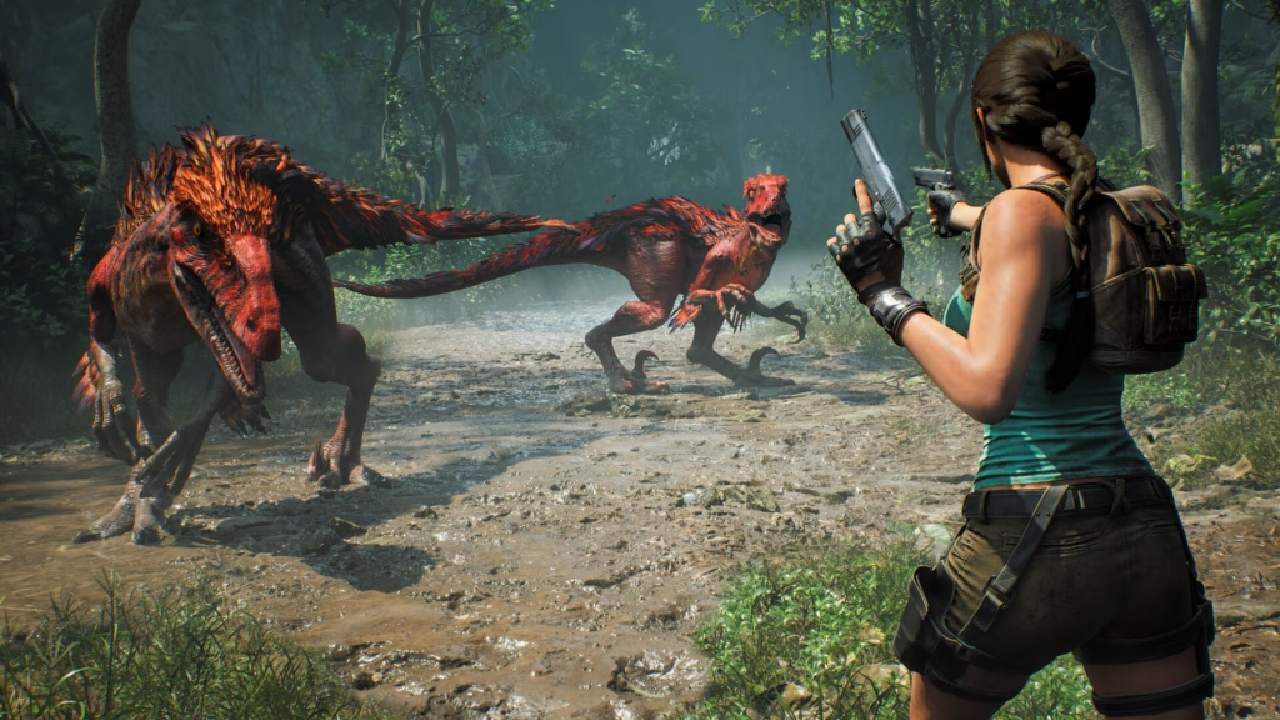
United Gaming – The reveal of Tomb RaiderLegacy of Atlantis during the June 2026 State of Play livestream instantly captured the attention of gamers worldwide. Fans were eager to see Lara Croft return in a fresh adventure filled with mystery, exploration, and ancient legends. The newly released trailer showcased stunning environments, cinematic storytelling, and glimpses of gameplay that hinted at a larger and more ambitious experience. As excitement grew across social media platforms, discussions quickly expanded beyond the game itself. While many players praised the visuals and atmosphere, others began focusing on details found in the game’s official listings. Soon, a new topic emerged and became one of the most talked-about issues surrounding the project. Instead of discussing gameplay mechanics alone, many fans started asking questions about the role of artificial intelligence in the development process and what it could mean for the future of game creation.
Steam Listing Reveals the Use of AI During Development
The conversation intensified when players discovered information on the game’s official Steam page. According to the description, artificial intelligence was used during the early stages of development. The statement clarified that AI assisted developers with initial exploration processes and the creation of temporary content during production. This disclosure immediately attracted attention because transparency regarding AI usage has become increasingly important within the gaming industry. Furthermore, the listing emphasized that any content generated with AI support was later replaced, refined, or enhanced by human creators. As a result, the final assets included in the game were reportedly reviewed and improved through traditional artistic development. Even so, the mention of AI alone was enough to spark widespread debate. For many players, understanding exactly how AI was involved became just as important as learning about the game’s story, gameplay systems, or release plans.
Read More : Researchers Trace Europe’s GPS Disruptions to a Surprising Source in Space
Developers Remain Silent About the Extent of AI Involvement
Despite the growing discussion, both Crystal Dynamics and Flying Wild Hog have yet to provide a detailed explanation regarding the extent of AI integration within Tomb Raider: Legacy of Atlantis. This lack of clarification has left room for speculation among fans and industry observers. While the Steam description offers a brief overview, it does not explain how much content was initially created with AI assistance or how extensively those materials were revised. Consequently, many players remain uncertain about the project’s development workflow. Some community members believe the AI contribution was minimal and largely experimental. Others worry that the technology may have played a more significant role than currently disclosed. Without an official statement, the debate continues to grow. In modern game development, transparency often shapes public trust, and many fans are now waiting for developers to address concerns directly and provide greater clarity.
Why AI Continues to Divide the Gaming Community
Artificial intelligence has become one of the most controversial topics in entertainment and technology. In the gaming industry, opinions remain deeply divided. On one hand, supporters argue that AI can accelerate workflows, improve efficiency, and allow developers to focus more on creativity and innovation. On the other hand, critics fear that the technology could gradually replace human artists, writers, and designers. This concern becomes even stronger when beloved franchises are involved. Players often develop emotional connections with games and the people who create them. Therefore, any suggestion that machines contribute to creative decisions can trigger resistance. The debate surrounding Tomb Raider: Legacy of Atlantis reflects these broader concerns. Even though the Steam page suggests human creators ultimately refined all AI-generated materials, some fans remain uncomfortable with any level of AI involvement. As a result, the conversation extends far beyond a single game release.
Read More :Beware: Hackers Can Steal Passwords Through TikTok and Instagram Videos
The Ethical Concerns Behind AI-Generated Content
One of the most significant concerns surrounding AI development tools involves the origin of the data used to train these systems. Many artists, writers, and designers have questioned whether their creative works were utilized without proper permission or compensation. Consequently, discussions about intellectual property and creative ownership continue to intensify. In the gaming sector, these ethical questions often influence public perception of AI-assisted projects. Players who value artistic authenticity sometimes worry that AI-generated content may rely on existing works created by real individuals. Furthermore, some fear that widespread adoption of AI could reduce opportunities for emerging talent in the industry. While technology companies frequently highlight productivity benefits, critics argue that ethical considerations should remain a priority. The controversy surrounding Tomb Raider: Legacy of Atlantis demonstrates how quickly these concerns can resurface whenever a major game acknowledges the use of artificial intelligence during development.
The Growing Role of AI Across the Video Game Industry
The discussion surrounding Tomb Raider: Legacy of Atlantis is part of a much larger trend affecting game development worldwide. Over the past several years, numerous companies have explored AI-driven tools for animation, dialogue generation, concept creation, testing, and asset production. Some industry leaders believe these technologies can reduce repetitive tasks and help teams work more efficiently. Meanwhile, others caution against overreliance on automation. As gaming projects become increasingly complex and expensive, developers continue searching for ways to streamline production without sacrificing quality. This reality has encouraged experimentation with AI across multiple studios. However, public reactions remain mixed. While technological advancement is inevitable, player acceptance often depends on how responsibly companies implement these tools. Therefore, the future of AI in gaming will likely depend not only on technical capabilities but also on transparency, ethics, and maintaining human creativity at the center of development.
Fan Reactions Highlight the Importance of Trust and Transparency
The response to Tomb Raider: Legacy of Atlantis demonstrates how strongly players value trust between developers and their communities. Although many fans remain excited about Lara Croft’s newest adventure, others are closely monitoring how the developers address concerns regarding AI usage. In today’s gaming landscape, audiences expect clear communication about development practices. Transparency can help prevent misunderstandings and reassure players that creative integrity remains intact. At the same time, companies face the challenge of embracing innovation while respecting community expectations. The controversy surrounding AI may continue until Crystal Dynamics and Flying Wild Hog provide additional details. Nevertheless, the discussion has already achieved one important outcome: it has encouraged a broader conversation about the future of creativity in gaming. As technology evolves, developers and players alike will play a vital role in shaping how artificial intelligence is integrated into the next generation of interactive entertainment.
About the Author