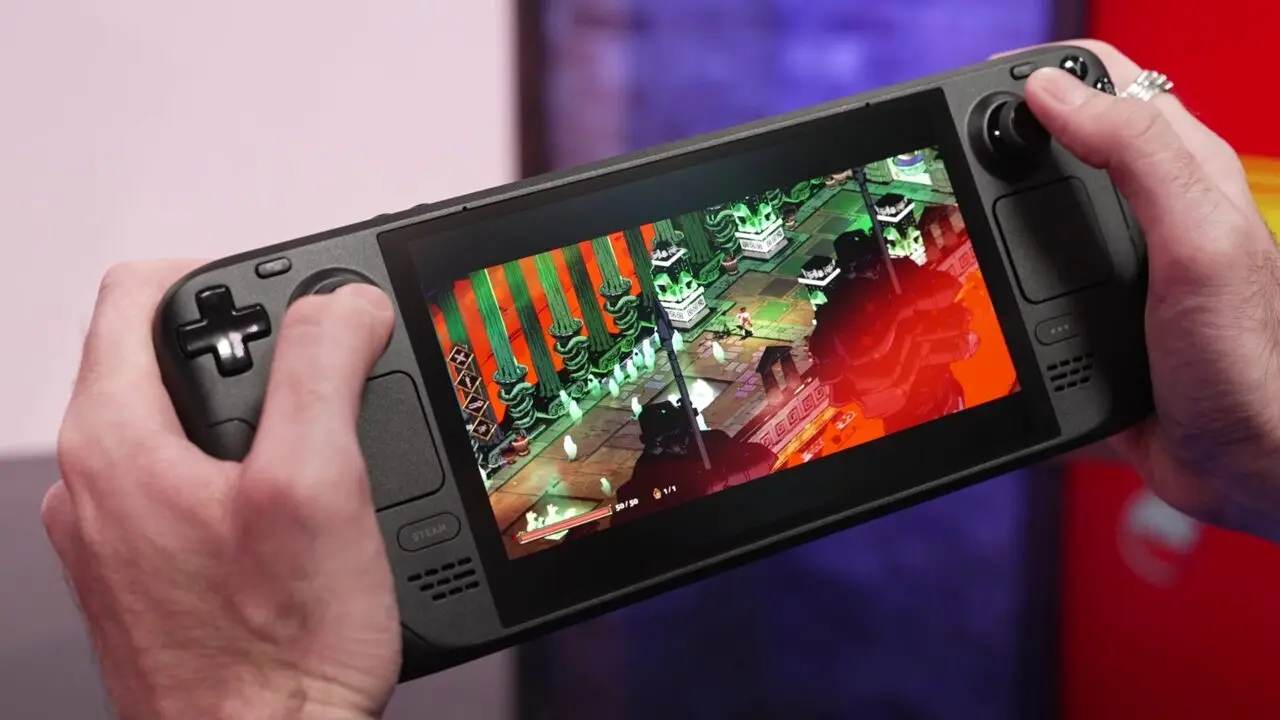
United Gaming – In recent years, PS5 Pro handheld gaming devices have experienced a remarkable evolution. Thanks to faster processors, stronger GPUs, and larger RAM capacity, modern handhelds promise smooth performance for demanding AAA games. As a result, many gamers see these devices as the future of portable entertainment. However, expectations often rise faster than reality. While the idea of playing console-level games anywhere sounds appealing, the actual experience still involves compromises. Battery life, heat management, and long-term performance stability remain ongoing challenges. Moreover, high-end handhelds now target a premium audience, shifting away from their original promise of accessibility. Against this backdrop, industry veterans have begun questioning whether these devices truly deliver value. This debate became more prominent after performance comparisons placed certain handhelds close to home consoles, sparking renewed discussion about cost, practicality, and long-term benefits.
Mike Ybarra’s Perspective as a Former Industry Leader
Mike Ybarra, former president of Blizzard Entertainment, brings a seasoned perspective to the discussion. Having spent decades shaping large-scale game ecosystems, Ybarra understands both player behavior and business models. When Digital Foundry highlighted a handheld device with performance approaching the PS5, Ybarra responded with a clear stance. According to him, raw power alone does not define value. Instead, affordability, ecosystem support, and longevity matter far more for most players. From his viewpoint, gaming hardware should balance performance with realistic pricing. Although he acknowledged the technical achievement of modern handhelds, he emphasized that innovation loses its appeal when it becomes inaccessible. Therefore, Ybarra’s comments resonated with gamers who prioritize long-term enjoyment over short-lived technological novelty.
“Read More : AI’s Hidden Carbon Cost: Power, Pollution, and the Fight for a Sustainable Future“
Price-to-Performance: Where Handhelds Fall Short
One of Ybarra’s strongest arguments centers on price. High-end handheld gaming devices often cost around $1,500, placing them firmly in luxury territory. While they offer impressive portability, the price-to-performance ratio raises concerns. For significantly less money, gamers can purchase a PS5 Pro that delivers stable performance, higher visual fidelity, and consistent optimization. Furthermore, consoles benefit from standardized hardware, allowing developers to fine-tune games more efficiently. As a result, players often experience smoother gameplay with fewer compromises. Handheld devices, on the other hand, must juggle power and portability, which can limit sustained performance. Consequently, Ybarra argues that most gamers gain more overall value from a console rather than investing heavily in an expensive portable system.
Console Subsidy Models Create Stronger Value
Another factor shaping Ybarra’s recommendation is the console business model itself. Traditionally, consoles are sold at slim margins or even at a loss. Manufacturers recover costs through game sales, subscriptions, and digital services. This strategy allows companies to offer powerful hardware at relatively affordable prices. In contrast, handheld manufacturers lack similar ecosystems. They must price devices higher to cover production costs upfront. As a result, consumers shoulder a heavier financial burden. Additionally, consoles like the PS5 Pro integrate seamlessly with services such as PlayStation Plus, enhancing long-term value. Over time, these subscriptions deliver free games, online features, and exclusive discounts. Therefore, the console model creates a more balanced and consumer-friendly ecosystem.
“Read More : How AI Could Reshape European Banking and Put 200,000 Jobs at Risk“
Longevity and Relevance in a Rapidly Changing Market
Longevity also plays a critical role in purchasing decisions. According to Ybarra, current-generation consoles still have several strong years ahead. The PS5 and PS5 Pro remain capable of handling upcoming titles for at least the next four years. Developers continue to prioritize console optimization, ensuring consistent performance across major releases. Meanwhile, handheld devices face quicker obsolescence. Rising component costs, especially GPUs and memory, could make future upgrades expensive. Moreover, thermal and battery limitations may shorten their effective lifespan. For gamers seeking stability, consoles provide a safer investment. They offer predictable performance, long-term support, and a steady flow of content without frequent hardware concerns.
Choosing Practical Enjoyment Over Technological Novelty
Ultimately, Ybarra’s message is not an attack on handheld gaming but a call for realistic expectations. Handheld devices serve a niche audience that values portability above all else. However, for most gamers, comfort, affordability, and reliability matter more. The PS5 Pro delivers strong performance, access to a vast library, and a mature ecosystem at a lower cost. While handhelds showcase impressive engineering, their high prices limit widespread adoption. Therefore, Ybarra encourages players to focus on practical enjoyment rather than chasing cutting-edge novelty. In doing so, gamers can invest wisely and enjoy richer experiences without unnecessary financial strain
About the Author