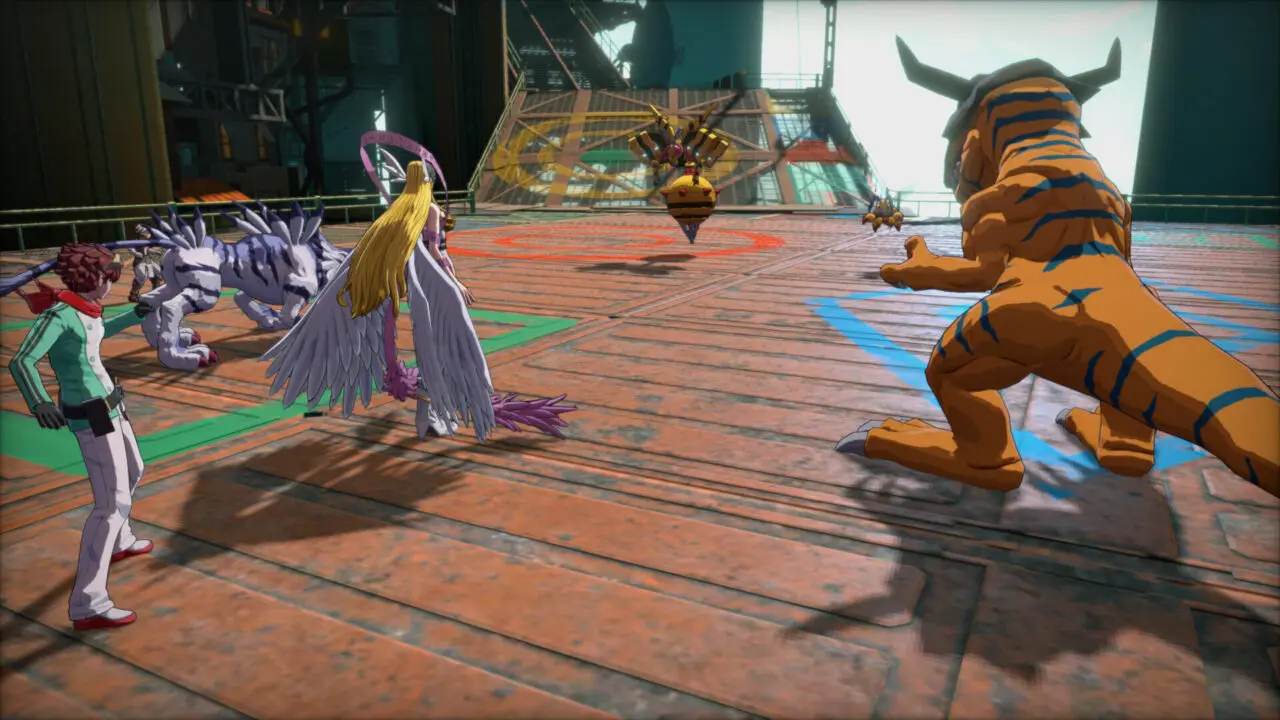
United Gaming – Next Digimon Game Story: Time Stranger arrived with strong praise from both players and critics, validating years of anticipation. The game delivered a rich narrative, deep mechanics, and a sense of scale that reminded fans why the Digimon franchise still matters. With more than 40 main missions and dozens of hours of gameplay, Time Stranger felt like a labor of love. However, the eight-year development cycle also raised questions. Many fans admired the result but wondered whether such a long wait could become the norm. In today’s fast-moving gaming industry, extended development periods often risk losing momentum. Time Stranger succeeded artistically, but it also became a reminder of how demanding modern game production can be. That success now shapes expectations for what comes next and how quickly fans hope to return to the Digital World.
Developers Address Concerns About Long Development Cycles
In a recent interview with 4Gamer, producer Ryosuke Hara and director Yusuke Tomono offered reassuring news. They confirmed that future Digimon games will not require another eight-year wait. According to Hara, Time Stranger marked a turning point rather than a template. The team used those years to build scalable systems and workflows that can support faster development moving forward. This shift reflects a more sustainable approach to game creation. Instead of rebuilding from scratch, developers can now expand and refine existing foundations. For fans, this statement brings relief and renewed excitement. It suggests that Bandai Namco understands the balance between quality and timeliness. The goal is clear: deliver meaningful Digimon experiences without testing the patience of a loyal global fanbase.
“Read More : How L’Oréal Uses AI to Scale Digital Advertising Without Losing Creative Control“
Collaboration as the Key to Digimon’s Future
Hara emphasized that collaboration plays a central role in Digimon’s long-term strategy. Bandai Namco continues to work closely with Toei Animation and other affiliated companies to develop the Digimon intellectual property as a whole. This unified approach allows games, anime, and other media to support one another. Rather than operating in isolation, each project strengthens the franchise’s identity. For game development, this collaboration provides creative clarity and shared resources. It helps teams align on world-building, character direction, and storytelling. This ecosystem reduces friction during production and encourages consistency. As Digimon continues to evolve across platforms, collaboration ensures that future games feel connected, purposeful, and grounded in a shared vision that respects both legacy and innovation.
Lessons Learned from Eight Years of Development
Time Stranger’s lengthy development was not without purpose. Hara explained that those eight years allowed the team to gradually expand scope and refine internal systems. The experience taught developers how to manage large-scale projects more efficiently. Instead of viewing the long wait as a setback, the team treats it as an investment. The systems built during Time Stranger now form a foundation for future titles. This means new projects can focus more on creativity and content rather than infrastructure. For players, this translates into shorter waits without sacrificing depth. The development team now carries hard-earned knowledge that reduces risk and improves planning. These lessons signal a more confident and agile future for Digimon games.
“Read More : AI’s Hidden Carbon Cost: Power, Pollution, and the Fight for a Sustainable Future“
A Franchise Balancing Old Fans and New Players
Director Yusuke Tomono highlighted another important goal: accessibility. Digimon has a long history, with numerous anime series and films spanning decades. Many longtime fans grew up with the franchise and now experience it with nostalgia. At the same time, new generations continue to discover Digimon for the first time. Recent games leaned heavily on legacy connections, appealing to older fans. Tomono acknowledged this strength but hinted at a broader focus going forward. The next Digimon game aims to welcome newcomers without alienating veterans. This balance requires careful storytelling and intuitive design. By creating entry points for new players, Digimon can grow its audience while honoring the emotional bonds longtime fans hold dear.
What Faster Development Means for Players
Shorter development cycles can significantly change how players engage with the Digimon franchise. Instead of long gaps filled with uncertainty, fans may enjoy a steadier flow of content. This rhythm keeps communities active and discussions alive. Faster releases also allow developers to respond more quickly to player feedback. Improvements, refinements, and new ideas can arrive sooner. However, speed does not mean rushing. The developers stress that quality remains a priority. By relying on established systems, they can focus on polishing gameplay and storytelling. For players, this approach builds trust. It signals that the franchise respects their time and enthusiasm while continuing to deliver meaningful experiences.
A More Sustainable Future for Digimon Games
The message from the Time Stranger development team feels optimistic and grounded. Digimon’s future does not rely on endless waiting or risky overextension. Instead, it focuses on sustainability, collaboration, and thoughtful growth. The franchise stands at a moment where experience meets ambition. Developers now understand the cost of scale and the value of preparation. As a result, the next Digimon game represents more than a sequel. It reflects a maturing development philosophy. For fans, this promises a healthier relationship with the series they love. The Digital World remains vast and inviting, and soon, players may not have to wait nearly a decade to return.
About the Author