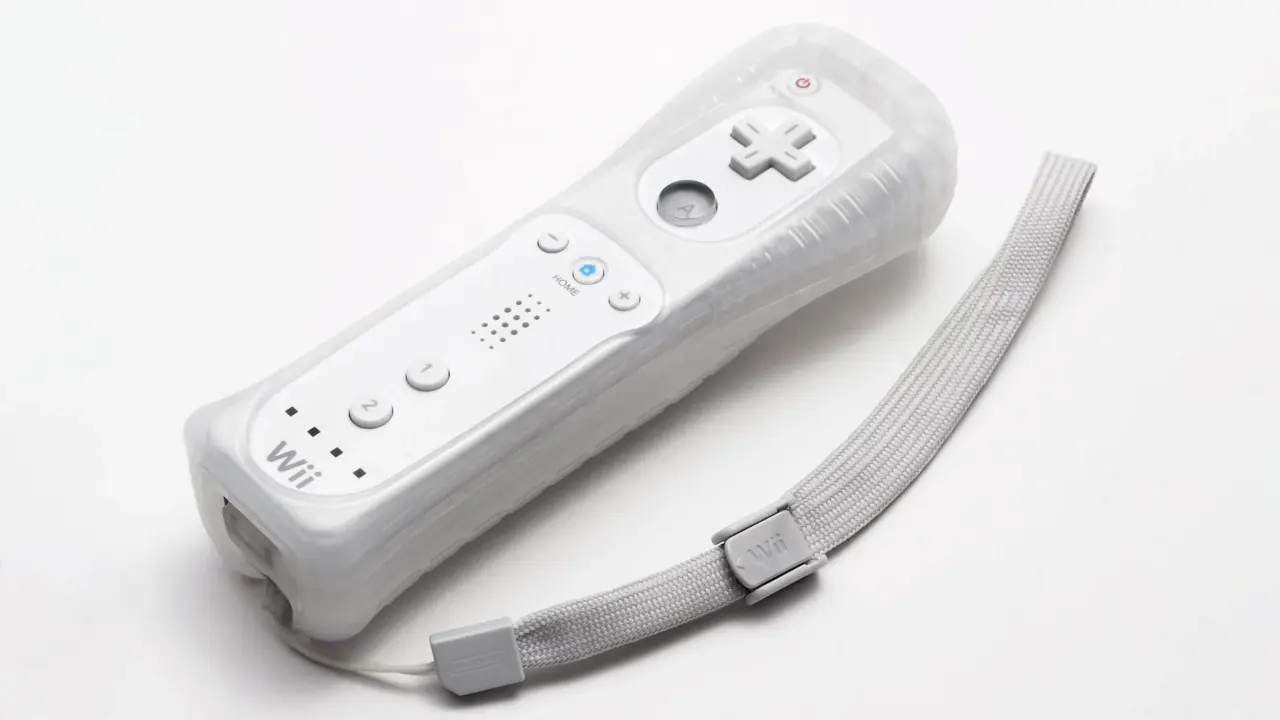
United Gaming – The legal battle between Nintendo and third-party accessory maker Nacon began in June 2010, during the peak of the Nintendo Wii’s popularity. At that time, Nintendo accused BigBen Interactive, now known as Nacon, of selling Wii controllers that violated its European patents. The issue centered on motion-control technology, which Nintendo considered the heart of the Wii experience. According to Nintendo, the unlicensed controllers copied patented features without approval, allowing third-party products to compete unfairly with official accessories. What appeared to be a straightforward case soon became a prolonged legal struggle. Court procedures, technical reviews, and shifting corporate identities slowed progress. As new consoles replaced the Wii, public attention faded. Still, behind the scenes, the case continued moving through Germany’s legal system. Fifteen years later, the dispute resurfaced, reminding the industry that unresolved patent conflicts can outlast entire hardware generations.
Why Nintendo Chose to Fight for Its Technology
Nintendo has always treated innovation as a core value, especially when it comes to hardware design. The Wii’s motion controls were not a simple feature but a breakthrough that changed how people interacted with games. Protecting that technology became a priority. Nintendo argued that allowing unlicensed accessories to copy patented systems weakened both its brand and its business. Each unofficial controller, in its view, reduced revenue from licensed products and blurred the line between original design and imitation. By pursuing legal action, Nintendo aimed to defend more than profit. It wanted to reinforce the idea that creativity deserves protection. This approach reflects a broader trend in technology and gaming, where intellectual property plays a central role. For Nintendo, the lawsuit became a long-term statement about respecting innovation, even when enforcement requires patience and persistence.
“Read More : Inside Tesco’s AI Strategy: How Artificial Intelligence Is Powering Everyday Retail Work“
The Mannheim Court Delivers a Long-Awaited Ruling
On October 30, 2025, the Regional Court of Mannheim issued a decisive ruling in Nintendo’s favor. After reviewing years of evidence, the court confirmed that Nacon had infringed Nintendo’s European patents. The judges awarded Nintendo compensation of just under 7 million euros, including interest accumulated since 2018 and legal costs. The ruling applied a “lost profits” calculation, assuming Nintendo would have captured the controller sales made by Nacon if the infringement had not occurred. This method significantly increased the damages. The decision marked a rare moment where a long-running patent case reached a clear conclusion. For Nintendo, it validated a legal effort many assumed had been abandoned. The ruling also showed that courts remain willing to enforce patent rights, even long after a product has left the market.
Why Nacon’s Defense Failed
Nacon attempted to reduce its liability by arguing that consumers would have purchased other third-party controllers anyway. According to its defense, Nintendo could not claim all lost sales. The court rejected this reasoning. Judges concluded that Nacon’s products relied directly on patented technology, making the infringement central rather than incidental. As a result, the court accepted Nintendo’s claim that those sales represented a real financial loss. This rejection weakened Nacon’s position and reinforced a strict view of patent protection. For accessory manufacturers, the ruling sends a warning. Even indirect competition involving protected technology can carry serious consequences. The case highlights how difficult it is to defend products that closely replicate the function of official hardware. In the end, the court sided with originality over convenience, setting a strong precedent for future disputes.
“Read More : Zara’s Quiet AI Experiment Is Changing How Retail Imagery Gets Made“
The Case May Not Be Over Yet
Despite the ruling, the legal process is not fully complete. Nacon still has the right to appeal, and Nintendo’s legal team has confirmed that steps toward an appeal are already underway. If higher courts review the case, the final outcome could change. Appeals may also delay any financial settlement. Still, the current verdict stands as a major win for Nintendo. Even if the case continues, the decision already sends a powerful message. It shows that companies can succeed in defending their patents, even after years of legal uncertainty. For Nintendo, the ruling strengthens its position before any further proceedings. For the industry, it highlights how long-term legal strategies can eventually shape outcomes, even when results take decades to arrive.
What This Means for the Gaming Industry
Nintendo’s victory carries important implications for the wider gaming ecosystem. It reinforces the idea that third-party accessories must respect patented technology. While unofficial products often expand consumer choice, they still operate within legal limits. The ruling also clarifies how courts may calculate damages, especially when patented features define a product’s value. For hardware makers, the case offers reassurance that innovation can be defended over time. For accessory companies, it serves as a reminder to design carefully and legally. Fifteen years after the Wii reshaped gaming, this lawsuit adds another chapter to its legacy. It proves that the impact of innovation does not end with a console’s lifecycle, but continues through the legal and cultural structures that protect creative work.
About the Author