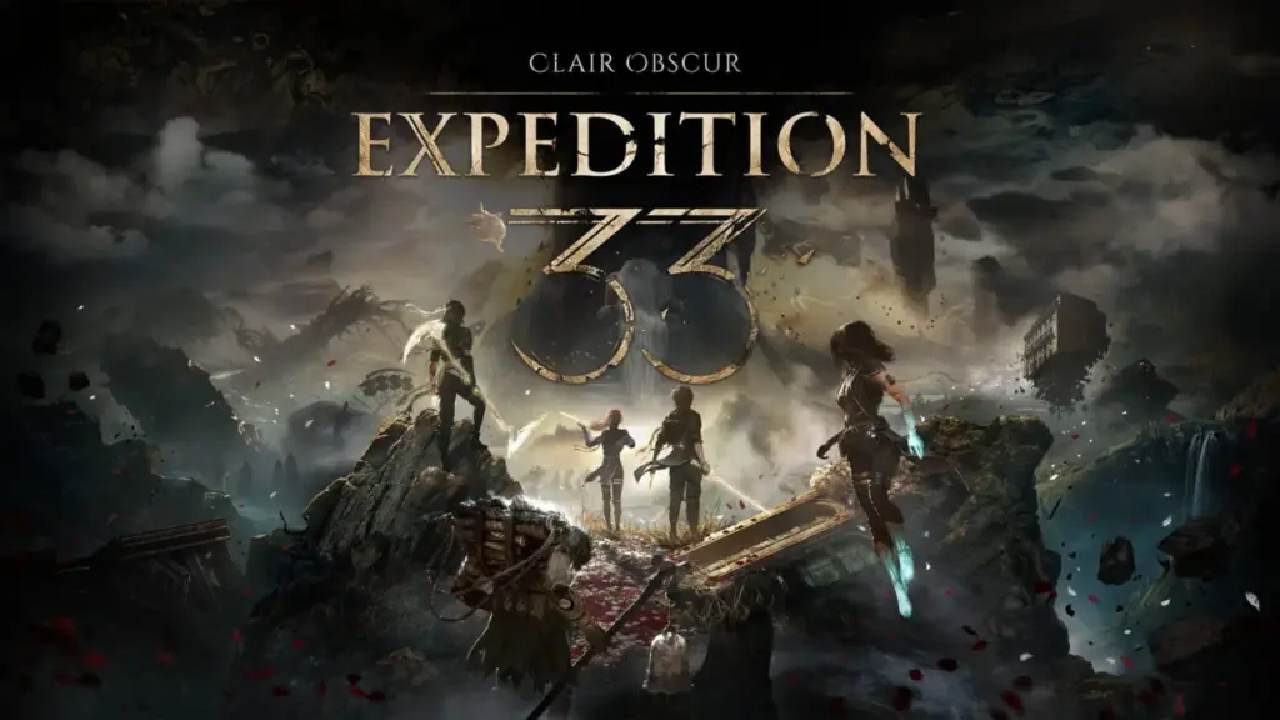
United Gaming – The release of the Sword and Fairy 4 Remake trailer quickly became a talking point across gaming communities. As soon as the footage appeared online, players began drawing comparisons to Clair Obscur: Expedition 33, one of 2025’s most celebrated turn-based RPGs. At first glance, the reaction felt inevitable. Clair Obscur set a new visual and mechanical benchmark, and any polished RPG would face scrutiny. However, this trailer struck a deeper nerve. Gamers didn’t just notice similarities in genre, but also in presentation, pacing, and combat flow. As discussions grew, the conversation shifted from simple curiosity to debate. Was this a respectful inspiration, or something closer to imitation? That question now frames nearly every discussion around Sword and Fairy 4 Remake, especially as expectations continue to rise ahead of its release.
Sword and Fairy’s Long Legacy in Chinese Gaming
To understand the reaction, context matters. Sword and Fairy is not a newcomer chasing trends. The franchise debuted in 1995 and has since become a cornerstone of Chinese role-playing games. For decades, its stories, characters, and mythological themes shaped local gaming culture. Therefore, the remake carries emotional weight for longtime fans. Many see it as a revival of cherished memories rather than a competitor to modern RPGs. At the same time, expectations are higher than ever. A remake must honor the past while speaking to today’s players. Consequently, when gamers noticed modern design choices resembling Clair Obscur, opinions split. Some welcomed the evolution, while others worried the franchise might lose its identity. This tension between nostalgia and innovation sits at the heart of the current debate.
“Read More : China Moves to Rein in AI as Child Safety Takes Center Stage“
Visual Presentation Fuels the Clair Obscur Comparison
Visually, the trailer is striking. Built using Unreal Engine 5, Sword and Fairy 4 Remake delivers cinematic lighting, fluid animations, and dramatic camera angles. These elements immediately reminded many players of Clair Obscur’s signature style. In particular, the battle camera movements and dramatic close-ups feel familiar. Moreover, the user interface design appears clean, minimal, and modern, reinforcing those comparisons. However, visual similarities alone do not define a game. Many modern RPGs adopt comparable aesthetics due to shared technology and evolving standards. Still, perception matters. For gamers who spent dozens of hours immersed in Clair Obscur, the resemblance feels personal. As a result, the visuals became the first spark that ignited broader discussions about originality and creative direction.
Combat Mechanics Under the Spotlight
Beyond visuals, the combat system drew the strongest reactions. The trailer highlights fast-paced turn-based battles, reactive parry mechanics, and dynamic camera transitions. These features closely echo what made Clair Obscur feel fresh and engaging. Consequently, players questioned whether Sword and Fairy 4 Remake was borrowing too heavily. Yet, others argued that innovation often spreads through influence. After all, Sandfall Interactive itself admitted drawing inspiration from classic JRPGs. From that perspective, Sword and Fairy’s approach feels like part of a natural design evolution. Still, balance is crucial. If the final gameplay lacks distinct mechanics tied to its own lore and identity, criticism may intensify. For now, the combat reveal has positioned the remake under intense scrutiny.
“Read More : How Disney Is Integrating Generative AI Into the Core of Its Business“
Mixed Reactions Across Global Gaming Communities
Community responses vary sharply by region. In China, reactions skew largely positive. Fans appreciate seeing a beloved franchise receive modern production values and global attention. Meanwhile, international audiences show more caution. Many praise Clair Obscur’s influence as proof of its industry impact. Others, however, worry about oversaturation of similar mechanics. On social media, debates often remain respectful but passionate. Some players encourage the developers to refine unique elements before launch. Others argue it’s too early to judge a full game from a single trailer. Ultimately, these reactions highlight how interconnected global gaming culture has become. A design choice made in one studio can now spark worldwide conversation within hours.
Inspiration Versus Identity in Modern RPG Development
At its core, the Sword and Fairy 4 Remake discussion reflects a broader industry question. Where does inspiration end and imitation begin? Modern game development thrives on shared ideas, yet players still crave originality. Sword and Fairy’s challenge lies in proving its identity beyond surface similarities. Its mythological roots, narrative depth, and cultural context offer strong foundations. If those elements shine through, comparisons may fade over time. For now, the trailer has achieved one undeniable success: it made people care. In an industry crowded with releases, sparking emotion and debate is often the first step toward lasting impact.
About the Author