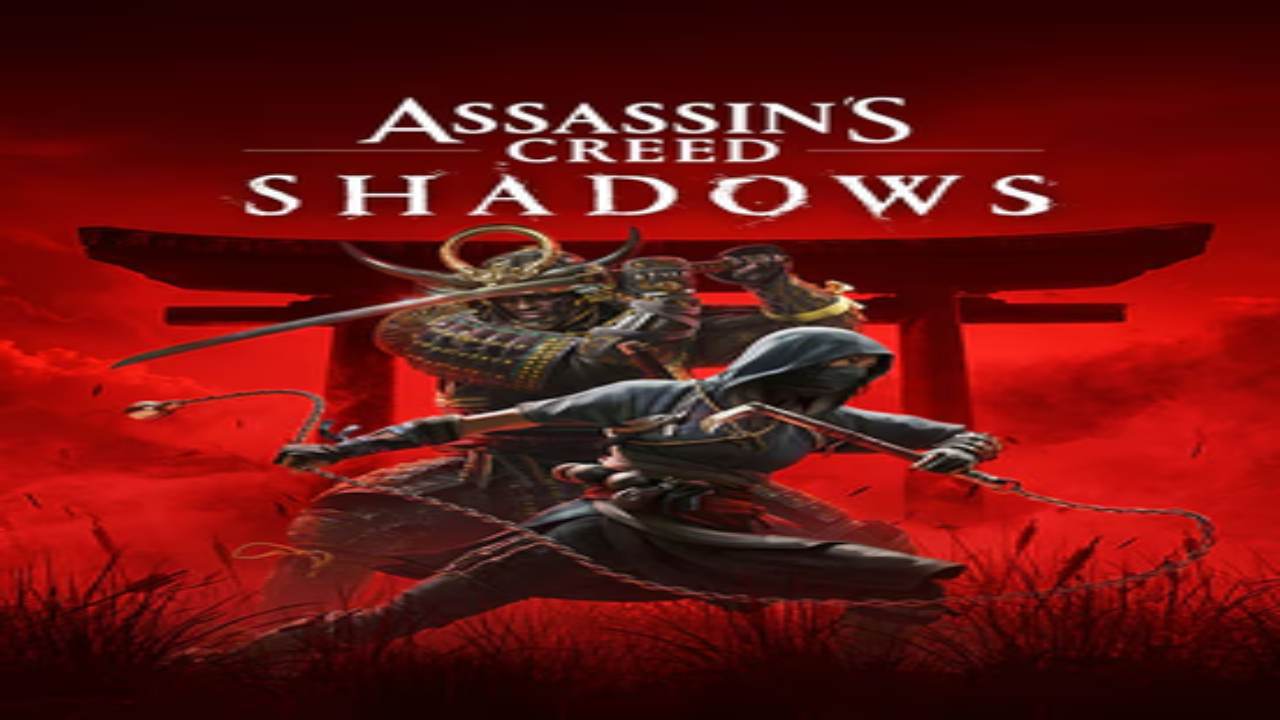
United Gaming – The announcement that Assassin’s Creed Shadows was described as a “game AAAA” instantly drew attention across the gaming world. This label did not come from a marketing campaign or a flashy trailer, but from a professional profile linked to the franchise itself. As a result, the statement felt unusually personal and authoritative. However, the timing made it more sensitive. Assassin’s Creed Shadows arrived after a rocky journey filled with criticism, delays, and heated discussions among fans. Therefore, calling it AAAA felt less like celebration and more like provocation to some players. Even so, the term opened a wider conversation about how game quality is defined today. In an era where budgets soar and expectations rise, Shadows suddenly became a symbol of how the industry measures ambition, scale, and technological reach beyond traditional labels.
The LinkedIn Profile That Triggered the AAAA Narrative
The AAAA label surfaced through the LinkedIn profile of Krasimira Yakovlieva, a longtime game producer at Ubisoft. On her profile, she highlighted more than 13 years of experience working on what she described as AAAA projects. Notably, Assassin’s Creed Shadows appeared among them. At first, the wording seemed intentional and confident. Moreover, it emphasized Shadows as the first AAAA Assassin’s Creed title to launch simultaneously on macOS alongside consoles and PC. However, the description was later edited, which only fueled curiosity. Screenshots of the original wording spread quickly online. As a result, what might have remained a minor résumé detail transformed into a viral talking point. The situation showed how even subtle language can reshape public perception in today’s hyper-connected gaming culture.
“Read More : UK Lawyers Push Back on AI Deregulation, Calling for Clarity Over Speed“
What Does AAAA Even Mean in Modern Gaming?
Traditionally, AAA describes high-budget games with massive teams, long development cycles, and strong publisher backing. However, AAAA remains an undefined term. There is no industry standard, certification, or clear benchmark. Because of that, the label often feels symbolic rather than technical. In the case of Assassin’s Creed Shadows, AAAA seemed to suggest something beyond graphics alone. It hinted at cross-platform ambition, long-term content updates, and technological scale. Still, many players questioned whether those factors justify a new tier. Without transparency, AAAA risks sounding like marketing inflation. Therefore, the debate around Shadows reflects a larger issue. As development costs rise and studios chase innovation, language struggles to keep pace. The AAAA label may express confidence, but it also exposes how unclear modern quality labels have become.
Community Reactions Range from Confusion to Sharp Criticism
Once the AAAA claim reached forums like Reddit, reactions arrived fast and loud. Many players responded with sarcasm. Others expressed genuine confusion. Some pointed out that even Grand Theft Auto VI, developed by Rockstar Games, has never been publicly labeled AAAA. Therefore, comparing Shadows to industry-defining titles felt excessive to critics. However, not all reactions were negative. A smaller group defended Ubisoft, arguing that AAAA could reflect scope rather than reception. Still, the dominant tone leaned skeptical. For many gamers, trust comes from experience, not titles. The controversy revealed a growing disconnect between industry language and community expectations. In that gap, Assassin’s Creed Shadows became less about gameplay and more about credibility.
“Read More : How L’Oréal Uses AI to Scale Digital Advertising Without Losing Creative Control“
Assassin’s Creed Shadows and Ubisoft’s High-Stakes Position
Ubisoft released Assassin’s Creed Shadows during a critical period for the company. The franchise remains one of its strongest pillars, yet recent releases have faced mixed responses. Consequently, Shadows carried heavy expectations. Ubisoft supported it with post-launch updates and continued content, signaling long-term commitment. From that perspective, labeling it AAAA may have reflected internal pride rather than public messaging. Nevertheless, perception matters. When a studio appears defensive or overly confident, backlash often follows. Ubisoft’s situation shows how fragile reputation can be in modern gaming. Every statement now travels instantly across platforms. As a result, internal descriptions can quickly become public controversies. Shadows stands as a reminder that ambition must align with audience trust, especially for legacy franchises under constant scrutiny.
Beyond Labels, the Real Question Is Player Experience
At the heart of the AAAA debate lies a simpler question: does Assassin’s Creed Shadows deliver a meaningful experience? For many players, labels matter far less than immersion, performance, and storytelling. While some enjoy the setting and mechanics, others remain unconvinced. That divide explains why the AAAA claim felt jarring. In practice, players measure value through hours played, emotional impact, and replayability. Therefore, no title alone can redefine a category. If AAAA is to mean anything, it must be earned through consistent excellence, not wording. Shadows may still evolve through updates and community feedback. Over time, its legacy will depend less on how it was labeled and more on how it is remembered by those who played it.
About the Author