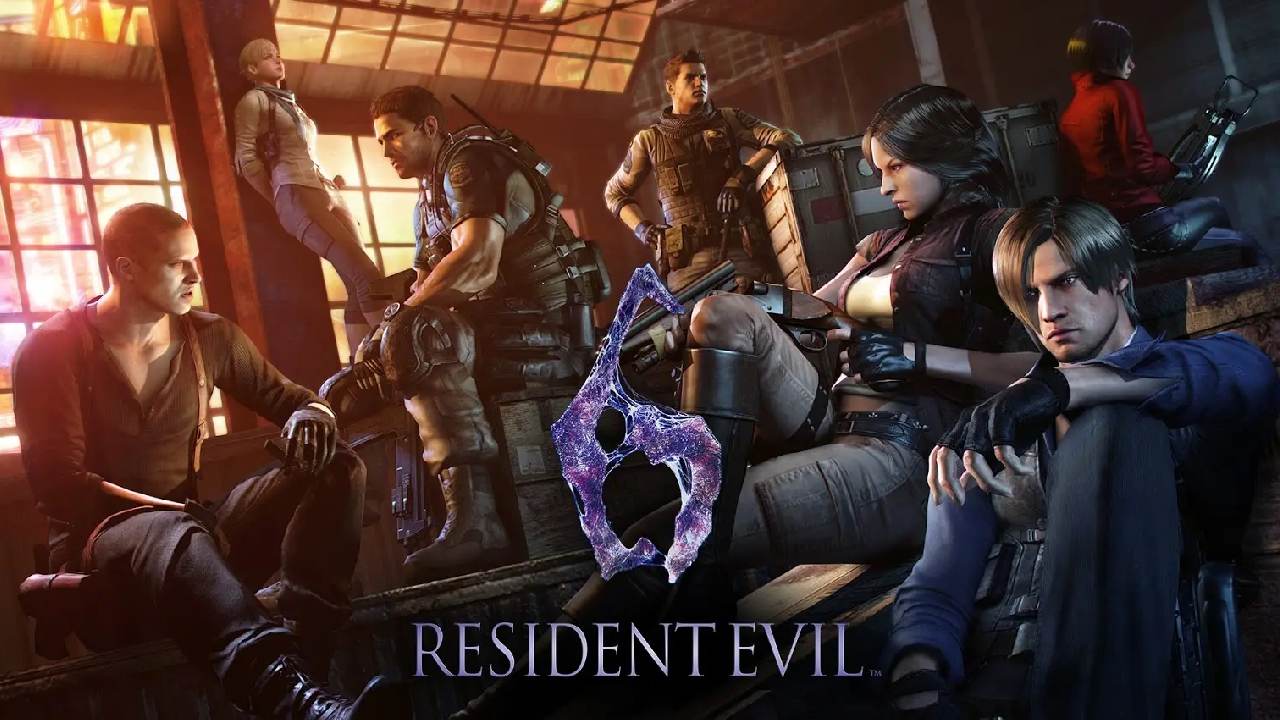
United Gaming – The Resident Evil franchise has been a cornerstone in the gaming world for decades, evolving from survival horror to action-packed thrills, with ups and downs along the way. After the release of Resident Evil 6 (RE6), the once-unquestionable success of the series came into question. The CEO of Capcom, Kenzo Tsujimoto, even admitted that, at one point, he felt that the series was on the brink of extinction. But what caused such a drastic sentiment from the leader of one of the most influential video game companies? In this article, we’ll dive into why Capcom feared the future of Resident Evil after RE6 and how they managed to turn it all around.
Overview of the Resident Evil Franchise
The Rise of Resident Evil
When Resident Evil first debuted in 1996, it revolutionized the survival horror genre, combining thrilling gameplay, immersive storytelling, and horrifying creatures. It was a groundbreaking title that became a cultural touchstone, setting a new standard for what video games could achieve. The series quickly gained a massive fanbase, and soon, more titles were added to the franchise.
“Read More : Spotify Rolls Out 3 New Lyrics Features That Change How You Listen“
The Golden Years of the Franchise
For many fans, the golden years of Resident Evil were encapsulated in the early releases, especially RE2 and RE4. The tension, the atmosphere, the puzzles, and the terrifying encounters made it a beloved series that kept players coming back for more. It was clear: Resident Evil wasn’t just a game it was a franchise that defined an entire genre.
Resident Evil 6 and Its Mixed Reception
A Shift to Action over Horror
By the time Resident Evil 6 hit the shelves in 2012, the franchise had undergone a significant shift. The series, which had once been synonymous with spine-chilling horror, was now veering heavily into action territory. RE6 brought larger-than-life explosions, martial arts combat, and high-octane sequences. While these elements appealed to some fans, many loyal players of the earlier games felt that the essence of Resident Evil was lost.
Fan Reactions and Critical Response
Upon release, RE6 was met with mixed reviews. While some praised the game for its action-packed gameplay, others were disappointed by the lack of survival horror elements. It felt like a departure from what had made the franchise special. Many fans voiced their concerns, and the critics were blunt: Resident Evil had veered too far from its roots. The backlash was significant, and it left Capcom with a difficult challenge ahead.
The CEO’s Concerns about the Franchise’s Future
The Statement That Shook Fans
In the aftermath of RE6, Capcom CEO Kenzo Tsujimoto made a shocking statement. According to a leaked document, Tsujimoto expressed concerns that the Resident Evil franchise was in danger of becoming irrelevant, even stating that it could eventually “cease to exist.” The franchise’s drastic shift in gameplay direction and a lukewarm reception from fans made the future of Resident Evil look uncertain.
“Read More :Bill Gates’ Name Appears in Epstein Files, and Melinda’s Reaction Says More Than It Seems“
Why Capcom Felt the Series Was in Trouble
The franchise’s shift towards action, particularly in RE6, didn’t sit well with the core fanbase that had built the series up over the years. The heart of the series was the horror atmosphere, the slow tension-building, and the sense of vulnerability. The action-heavy direction that RE6 took seemed to disregard these fundamental elements, leading many to question if Capcom had lost sight of what made Resident Evil a phenomenon in the first place.
Capcom’s Strategic Response After RE6
The Role of Jun Takeuchi in the Revival
To help guide the franchise back on track, Capcom turned to industry veteran Jun Takeuchi. Takeuchi, who had worked on several earlier Resident Evil titles, was tasked with revitalizing the series. His direction aimed to bring back the survival horror roots that fans adored while still keeping the series fresh.
Decision to Return to the Roots with RE7
After much deliberation, Capcom made a bold decision: they would return to the series’ roots with Resident Evil 7: Biohazard. The decision was a game-changer. Unlike RE6, which was over-the-top and action-heavy, RE7 was a return to the terrifying atmosphere of earlier games. The focus shifted back to survival horror, and the game adopted a first-person perspective, adding an even greater sense of immersion and tension.
The Importance of Survival Horror in Resident Evil’s Legacy
Fans’ Desire for Horror Over Action
One of the key reasons Resident Evil was so beloved was the fear factor. Fans missed the days of creeping through dark corridors, not knowing what would jump out at them next. The survival horror elements created an atmosphere of unease that few other games could replicate. RE6’s emphasis on action and bombastic set pieces left many fans longing for that eerie, nerve-wracking feeling that defined earlier installments.
How Resident Evil 7 Met the Expectations
Resident Evil 7 was designed to bring fans back to the horror they loved. The game’s return to a more intimate, grounded, and terrifying narrative was met with critical acclaim. The game took players to a rural farmhouse in Louisiana, where they encountered grotesque monsters and uncovered disturbing secrets. The first-person perspective made the experience even more immersive, and it was clear: Resident Evil was back to doing what it did best.
The Comeback: Resident Evil 7 and Its Success
Return to the Roots
Resident Evil 7 marked the start of a new chapter in the franchise. With its success, Capcom proved that returning to its survival horror roots could breathe new life into the series. The decision to focus on atmospheric tension and slow-paced gameplay rather than high-octane action was a game-changer.
Critical and Commercial Success
Not only was RE7 a critical success, but it also achieved strong commercial performance. Fans and critics alike praised the game’s ability to recapture the spirit of the original games, and it earned several Game of the Year nominations. The success of RE7 reaffirmed the value of survival horror and set the stage for the next installments of the franchise.
The Impact of Resident Evil 7 on the Future of the Franchise
The Revival of Survival Horror
Resident Evil 7 revitalized the survival horror genre, proving that there was still a demand for horror-based games. Its success inspired other developers to focus more on atmosphere and tension in their games, which was a welcome shift in the industry.
Shaping Future Installments
The success of RE7 paved the way for future Resident Evil games. Capcom learned from the mistakes of RE6 and understood that the fans wanted a return to the original formula. This was evident in the release of Resident Evil 2 Remake and Resident Evil 3 Remake, which adhered to the series’ survival horror principles while modernizing the gameplay.
Conclusion: What Does the Future Hold for Resident Evil?
After the shaky period following RE6, the Resident Evil franchise has rebounded stronger than ever. With the success of Resident Evil 7 and its remakes, the future of the series looks bright. Capcom has proven that it can adapt and evolve while still respecting the legacy that made Resident Evil one of the most influential franchises in gaming history. The lessons learned from the difficulties following RE6 have undoubtedly shaped the future of Resident Evil, ensuring that the series remains a force in the gaming world for years to come.
About the Author