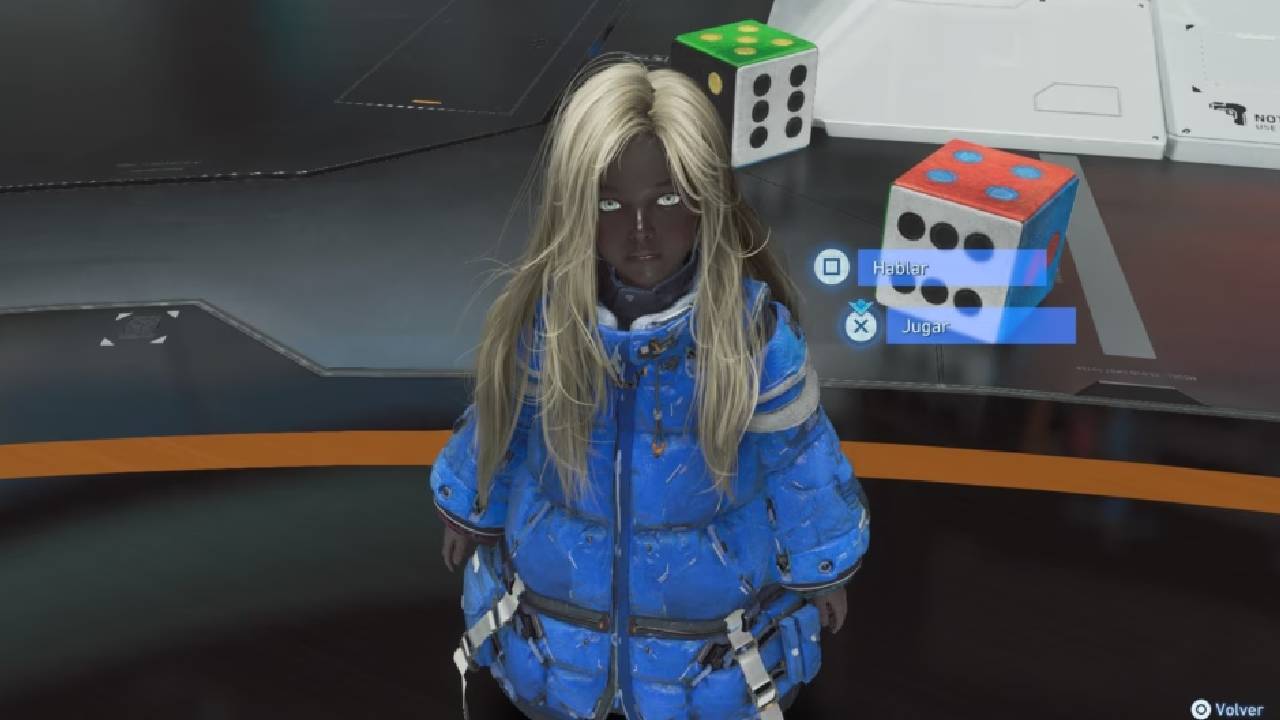
United Gaming – Pragmata, Capcom’s ambitious sci-fi shooter, quickly captured gamers’ attention with its unique blend of action and emotional storytelling. The relationship between Hugh and Diana adds a human touch to an otherwise futuristic world. However, just as players began to immerse themselves deeply, reports of a strange bug surfaced. Suddenly, conversations shifted from gameplay mechanics to technical issues. This unexpected turn created both curiosity and concern among the community. While bugs are not uncommon in modern games, this one stood out because it directly affected a central character’s appearance. As a result, players found themselves questioning whether the issue was minor or indicative of deeper technical challenges. The situation highlights how even small visual glitches can influence player experience significantly.
The Bug That Changed Diana’s Appearance
In recent days, several PS5 players noticed something unusual while playing Pragmata. Diana, a key character known for her distinct look, appeared with a completely altered skin tone. This visual anomaly did not affect gameplay mechanics, yet it disrupted immersion for many users. Moreover, players quickly shared screenshots and clips across social media platforms, amplifying the issue. As discussions grew, more gamers began checking their own gameplay experiences. Interestingly, not everyone encountered the bug, which added to the mystery. Some players reported normal visuals, while others experienced the glitch repeatedly. Consequently, the inconsistency made it harder to pinpoint the root cause. Even so, the bug became a trending topic within the gaming community, showing how quickly such issues can spread in the digital age.
Read More : OpenAI Launches Workspace Agents: When ChatGPT Starts Working for You
Community Reactions: Between Humor and Frustration
As the bug gained visibility, the gaming community responded in varied ways. On one hand, some players treated the situation humorously, creating memes and lighthearted commentary. On the other hand, many expressed genuine frustration, especially those who value visual consistency in storytelling. This dual reaction reflects the diverse expectations players bring to modern games. Furthermore, discussions on forums and social media revealed a deeper concern about quality control. Players questioned whether such bugs should have been identified earlier during testing phases. At the same time, others defended Capcom, acknowledging that complex games often face unforeseen issues post-launch. This dynamic conversation illustrates how gaming communities actively shape the narrative around technical problems. Ultimately, the bug became more than a glitch it turned into a shared experience among players.
Possible Causes Behind the Visual Glitch
Although Capcom has not provided an official explanation, players and tech enthusiasts have proposed several theories. The most common assumption points to a texture loading issue, particularly related to UV mapping. In many cases, when textures fail to load correctly, character models can appear distorted or incomplete. Additionally, some users suggested that the problem might be linked to the PS5’s rendering process. Interestingly, similar issues have been reported in other games on the same platform. This pattern suggests that the bug may not be entirely unique to Pragmata. Moreover, reports from earlier demo versions indicate that the issue might have existed before the full release. Therefore, it raises questions about whether the bug is deeply rooted in the game’s engine or influenced by system-specific factors.
Read More : Finance Leaders Alarmed by AI Mythos: Anthropic’s Latest Innovation Raises Concerns
A History of Similar Bugs in Modern Gaming
The Pragmata bug is not an isolated incident in the gaming industry. Over the years, many high-profile titles have encountered similar visual glitches. For example, character models in various games have appeared with missing textures or incorrect shading due to rendering errors. These issues often occur when hardware struggles to process complex assets in real time. Additionally, rapid development cycles and increasing graphical demands contribute to such problems. As games become more advanced, the margin for technical error also grows. Therefore, developers must balance innovation with stability. The recurrence of these bugs highlights the challenges faced by modern game studios. While players expect flawless experiences, the reality is that even the most polished games can encounter unexpected technical hurdles.
Capcom’s Silence and the Hope for a Fix
As of now, Capcom has not released a detailed statement addressing the bug. This silence leaves players speculating about whether a fix is already in progress. Recently, a patch update introduced support for PlayStation Spectral Super Resolution (PSSR), yet it did not explicitly mention the visual issue. Consequently, players remain uncertain about the timeline for a resolution. Despite this, many remain optimistic, trusting Capcom’s track record of post-launch support. Developers often prioritize critical gameplay issues first, followed by visual fixes. Therefore, it is possible that a solution is already being tested behind the scenes. In the meantime, the community continues to monitor updates closely, hoping for an official response that will restore Diana’s intended appearance.
The Impact of Small Bugs on Big Gaming Experiences
Even though the bug does not affect gameplay mechanics, its impact on player immersion is undeniable. Visual consistency plays a crucial role in storytelling, especially in narrative-driven games like Pragmata. When a character’s appearance changes unexpectedly, it can break the emotional connection players have built. Furthermore, such issues remind us how sensitive gaming experiences are to technical imperfections. A single glitch can shift the focus from narrative engagement to technical scrutiny. However, it also demonstrates the resilience of gaming communities, which often adapt and find humor in these পরিস্থিতations. Ultimately, the incident serves as a reminder that behind every complex game lies an equally complex system. And sometimes, even the smallest error can create the biggest conversation.
About the Author