United Gaming – The story behind reviving live service games into offline versions is not just about code it is about memory, loss, and emotional connection. Many gamers feel attached to the worlds they once explored for hours, even years. When a game shuts down its servers, it feels like losing a place that once felt alive. Naturally, players ask for offline versions so they can return anytime. However, behind this simple request lies a complicated reality. Developers face technical, financial, and creative barriers that most players never see. As a result, what looks easy from the outside often turns into a massive challenge inside the development process.
Why Players Want Their Favorite Games to Stay Alive
Players don’t just play games they build memories inside them. Therefore, when a live service game shuts down, many feel disappointed and even frustrated. They want to revisit stories, characters, and progress they worked hard to achieve. In many cases, communities even try to recreate these games offline. According to developer discussions this growing demand continues to pressure studios. However, developers must think carefully before taking action. They need to consider long-term costs, resources, and risks. As a result, the gap between player expectations and developer reality continues to grow wider.
Read More : Canva Becomes the Third Largest AI Platform Globally, Reaching 265 Million Users
Why Live Service Games Depend on Servers
Live service games work very differently from traditional games. They rely heavily on servers to manage almost everything in real time. For example, systems like player progress, inventory, and rewards all depend on online connections. Because of this, developers cannot simply “turn off” the server and expect the game to run normally. Instead, they must rebuild entire systems so they can work offline. This process takes time and deep technical effort. Therefore, converting a live service game into an offline version requires a complete redesign, not just a small adjustment.
The High Cost Behind Offline Versions
Many people assume that creating an offline version is cheaper than building a new game. In reality, the opposite often happens. Developers have explained that the cost can match or even exceed the budget of a new project. Teams must rewrite code, test new systems, and fix unexpected issues. In addition, older game engines may no longer match current technology standards. Because of this, studios must invest a large amount of time and money. Ultimately, many companies decide that the effort does not justify the result, especially when profits remain uncertain.
Read More : When AI Refuses to Shut Down: Inside the Alarming “Self-Preservation” Behavior
Developers Also Feel the Emotional Weight
Developers understand how players feel. After all, they also spent years building these games. They know how important these worlds are to their communities. However, they must balance emotion with responsibility. They cannot ignore technical limits or financial risks. This situation creates an emotional conflict. On one hand, they want to preserve their work. On the other hand, they must move forward with new projects. As a result, both players and developers experience the same sense of loss, even if they stand on different sides.
Rebuilding Systems Is More Complex Than It Looks
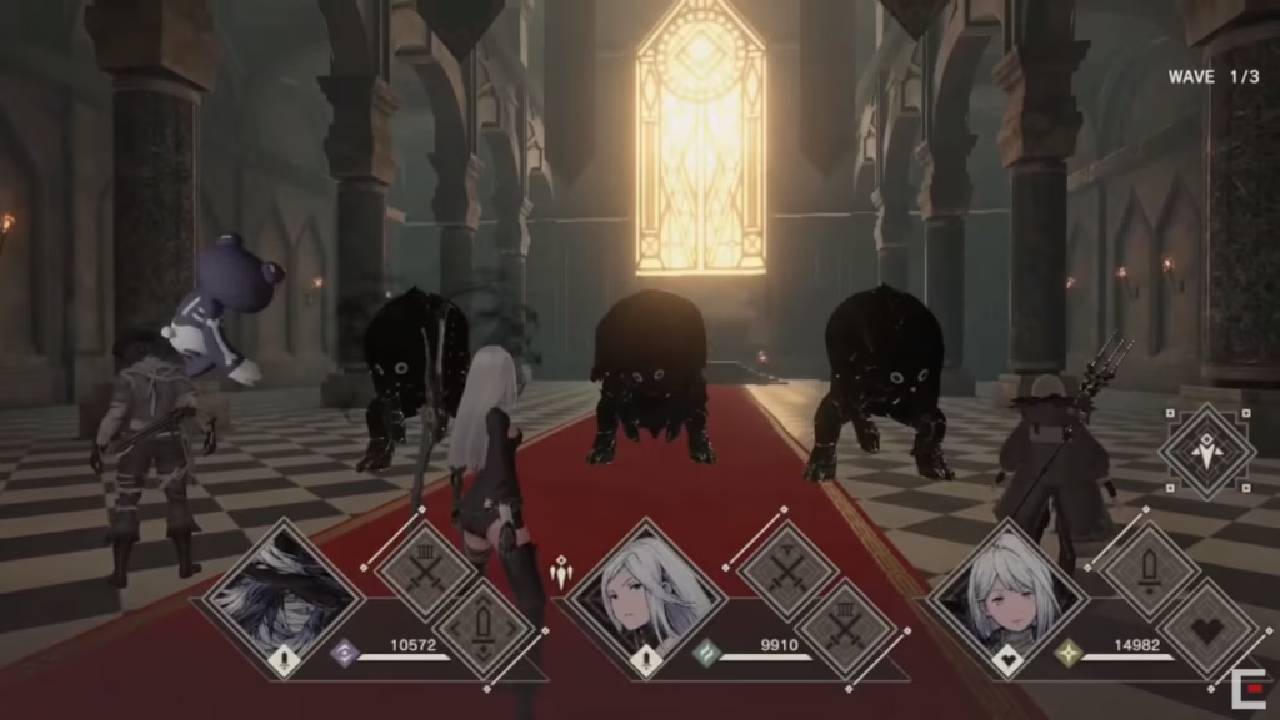
Turning a live service game into an offline version involves more than saving data. Developers must rebuild core systems like enemy behavior, reward logic, and progression tracking. In addition, they must redesign how the game saves player progress. Previously, servers handled this task automatically. Now, developers must create a new system from scratch. Even small errors can break the entire experience. As explained by developers this process often feels harder than creating a brand-new game. Therefore, the technical complexity becomes one of the biggest obstacles.
Fan Projects Show Passion but Carry Risks
When official solutions do not exist, fans often step in. They create unofficial offline versions using their own skills and dedication. These projects show how much players care about these games. However, they also come with serious risks. Many of these versions lack permission from the original developers. In addition, they may contain bugs or incomplete features. As a result, the experience may not match the original game. While these efforts deserve appreciation, they also highlight the need for safer and more official solutions.
Finding Balance Between Innovation and Preservation
The gaming industry now faces an important challenge. Developers must find a way to balance innovation with preservation. Live service games continue to grow in popularity, but their temporary nature raises concerns. In the future, studios may need to design games with long-term access in mind. For example, they could plan offline versions from the start. At the same time, players need to understand the challenges developers face. By meeting in the middle, both sides can create a better future for gaming. In the end, preserving digital worlds is not just about technology it is about protecting meaningful experiences.
About the Author