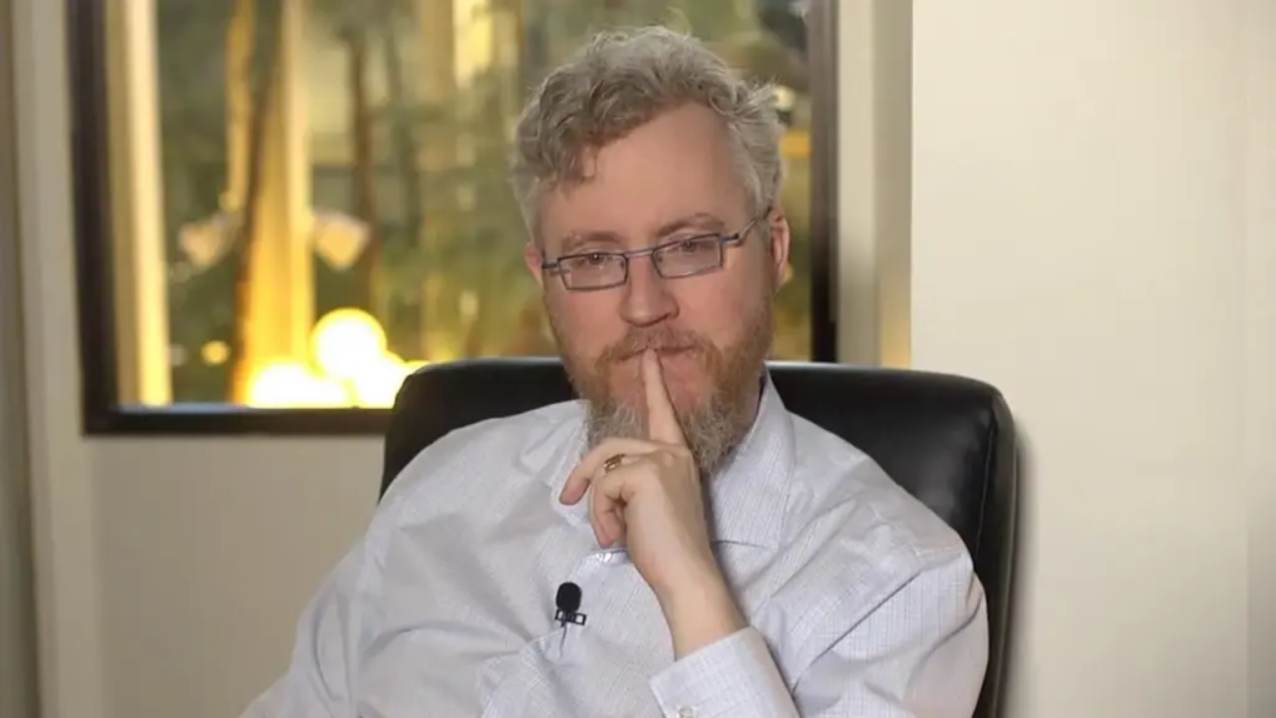
United Gaming – The rapid adoption of artificial intelligence across the video game industry has sparked excitement, but also deep concern. For many players, games are more than entertainment; they are emotional journeys shaped by human imagination. This is why Mike Darrah, a former producer at BioWare, has drawn attention. Speaking from decades of experience, Darrah reflects on how AAA development has changed. He acknowledges that games today look better, run smoother, and offer broader systems than ever before. However, at the same time, he senses something fading beneath the polish. According to him, the industry’s growing reliance on AI tools risks turning games into efficient products rather than expressive works. As studios chase scale and predictability, Darrah believes the human touch the heart of storytelling and world-building faces a serious test in the years ahead.
Why AAA Studios Are Turning to AI
From Darrah’s perspective, the appeal of AI for AAA studios is easy to understand. Development budgets continue to inflate, timelines shrink, and shareholder pressure grows stronger each year. As a result, executives seek tools that promise faster production with lower risk. AI-driven systems now assist with asset generation, writing drafts, testing, and even design iteration. On the surface, this feels like progress. Yet Darrah warns that convenience can quietly reshape priorities. Instead of asking what stories deserve to be told, studios may ask what can be produced most efficiently. Over time, this mindset encourages repetition and safe formulas. While AI may reduce costs, it also tempts companies to prioritize profit stability over creative ambition. Consequently, Darrah argues that technology should support artists not replace the creative struggle that gives games their soul.
“Read More : The Video Game Industry in 2026: A Year of High Stakes and Uncertain Wins“
The Fear of Games Losing Their “Soul”
One of Darrah’s strongest observations centers on the emotional emptiness some modern AAA titles seem to carry. Despite technical brilliance, many games feel interchangeable. According to him, this is not accidental. When studios focus on minimizing risk, originality often becomes the first casualty. Generative AI, when used without restraint, can amplify this problem by reinforcing existing patterns rather than challenging them. Darrah explains that players subconsciously notice when creativity feels manufactured. Even if visuals impress, emotional connection fades. This helps explain why some audiences appear more open to AI-generated content; for them, much media already feels hollow. In this sense, AI does not create the problem but accelerates it. Darrah’s warning is clear: once art loses its human imperfections, it also loses its ability to resonate deeply.
Profit, Risk Aversion, and Creative Stagnation
Darrah links the rise of AI closely with a broader cultural issue inside AAA studios: extreme risk aversion. Large publishers often avoid bold ideas because failure can be financially devastating. Therefore, they favor predictable mechanics, familiar narratives, and proven franchises. AI fits neatly into this approach by optimizing existing systems rather than encouraging experimentation. However, this creates a paradox. While companies protect themselves financially, they weaken their long-term creative identity. Darrah suggests that this is why some AAA releases feel technically advanced yet emotionally flat. Over time, audiences grow tired of safe repetition. When innovation disappears, trust erodes. The industry then faces a deeper risk not financial loss, but the gradual disengagement of players who no longer feel surprised, challenged, or inspired by big-budget games.
“Read More : China Moves to Rein in AI as Child Safety Takes Center Stage“
Lessons from AA Studios and Creative Risk
Interestingly, Darrah points to mid-sized, or AA, studios as a source of hope. Freed from massive corporate expectations, these teams often take creative risks despite limited budgets. Games like Clair Obscur: Expedition 33 demonstrate how strong vision and focused innovation can resonate with players. Darrah believes AAA studios should learn from this approach. Rather than using AI to replace creative labor, companies could redirect budgets toward experimentation and talent development. Failure, he argues, is not something to eliminate but something to learn from. AA studios accept that some ideas will fail, yet that openness fuels originality. In contrast, AAA studios risk becoming stagnant if they avoid uncertainty altogether. For Darrah, meaningful innovation still comes from human courage, not automated efficiency.
AI as a Tool, Not a Creative Replacement
Darrah does not reject AI entirely. Instead, he emphasizes balance. Used responsibly, AI can support developers by handling repetitive tasks, allowing artists to focus on storytelling and design. The danger emerges when studios treat AI as a shortcut to creativity itself. According to Darrah, games succeed when developers feel ownership over their work. Passion, frustration, and inspiration are all part of that process. AI cannot replicate those emotions. As the industry moves forward, Darrah urges decision-makers to remember why people fall in love with games. They seek connection, not perfection. Ultimately, technology should amplify human expression, not erase it. The future of AAA gaming, he believes, depends on whether studios choose efficiency alone or rediscover the value of creative risk.
About the Author